Driver assistance used to be a collection of separate jobs: one controller watched the lane, another managed cruise control, and a camera system helped with parking. New AI-capable automotive processors are pulling more of those jobs into shared computing systems inside the vehicle. That change can make assistance more responsive and easier to update, but it does not turn a car into an independent driver.
The important shift is local decision-making. A car can interpret sensor data, issue a warning or request an intervention without sending every moment of driving to a remote server. That matters when a system has only a short interval to identify a hazard. The chip is an enabler; its value depends on the sensors, software, vehicle controls and safety checks built around it.
One onboard computer, more jobs to do
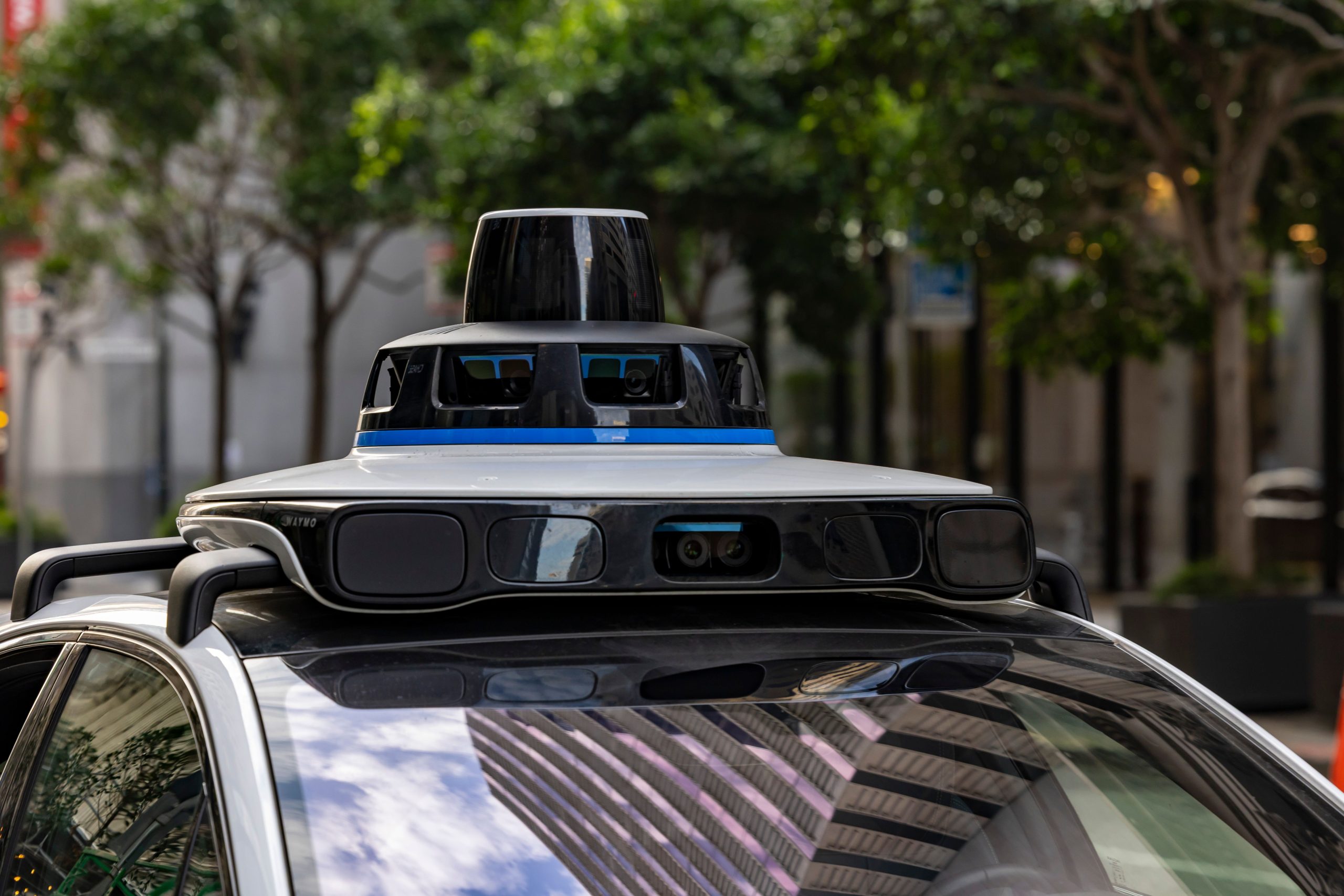
A camera does not simply “see” a pedestrian or lane marking. Its images arrive as data that must be processed, interpreted and combined with other inputs. A vehicle computer may run vision models to recognize road users, use radar measurements to estimate distance and speed, then pass the result to software that decides whether to alert the driver, brake or adjust steering. An AI accelerator is designed to perform many of the calculations behind those models efficiently.
That processing is increasingly being consolidated. NVIDIA’s published DRIVE Level 2+ reference design, for example, uses two DRIVE Orin systems-on-chip: one for active safety, automated driving and parking, and another for AI cockpit functions. The product brief lists up to 254 trillion operations per second for Orin. Those are specifications for a particular platform, not a promise that every car has that processing power or performs the same functions.
Consolidation also changes the physical electronics. Cameras, radar and vehicle controls still depend on circuit boards, connectors, power management and heat handling. The automotive PCB is part of that less-visible foundation, where a computing upgrade must work reliably amid vibration, temperature swings and limited space. This is a useful complement to the site’s overview of how PCBs support automotive components: the AI chip may attract attention, but the supporting electronics make the system possible.
For drivers, the result is not necessarily a flashy new feature. It may be several familiar functions sharing a more capable computer, with fewer separate processing boxes and a clearer path to adding or improving software later.
Why keeping the decision in the vehicle matters
When a vehicle is moving, assistance must work in the moment. A cloud connection can be useful for maps, traffic services or software downloads, but a car cannot sensibly wait for a network round trip before warning about a close obstacle. Onboard processing allows the immediate sensor loop to run in the vehicle, even when mobile coverage is weak or unavailable.
That architecture can support a wider mix of functions: lane-departure warnings, blind-spot alerts, automatic emergency braking, adaptive cruise control and parking assistance. Instead of treating each as an isolated electronic feature, a centralized computer can help systems share information. A forward camera that recognizes a lane boundary and a radar tracking a vehicle ahead can contribute to the same picture of the road.
Sharing compute does not mean every function should share one unchecked decision path. Safety-critical systems need predictable behavior, fault monitoring and ways to respond when a sensor or processor becomes unreliable. In practice, manufacturers still have to decide which tasks run where, how one fault is contained, and what the car does if data disagree.
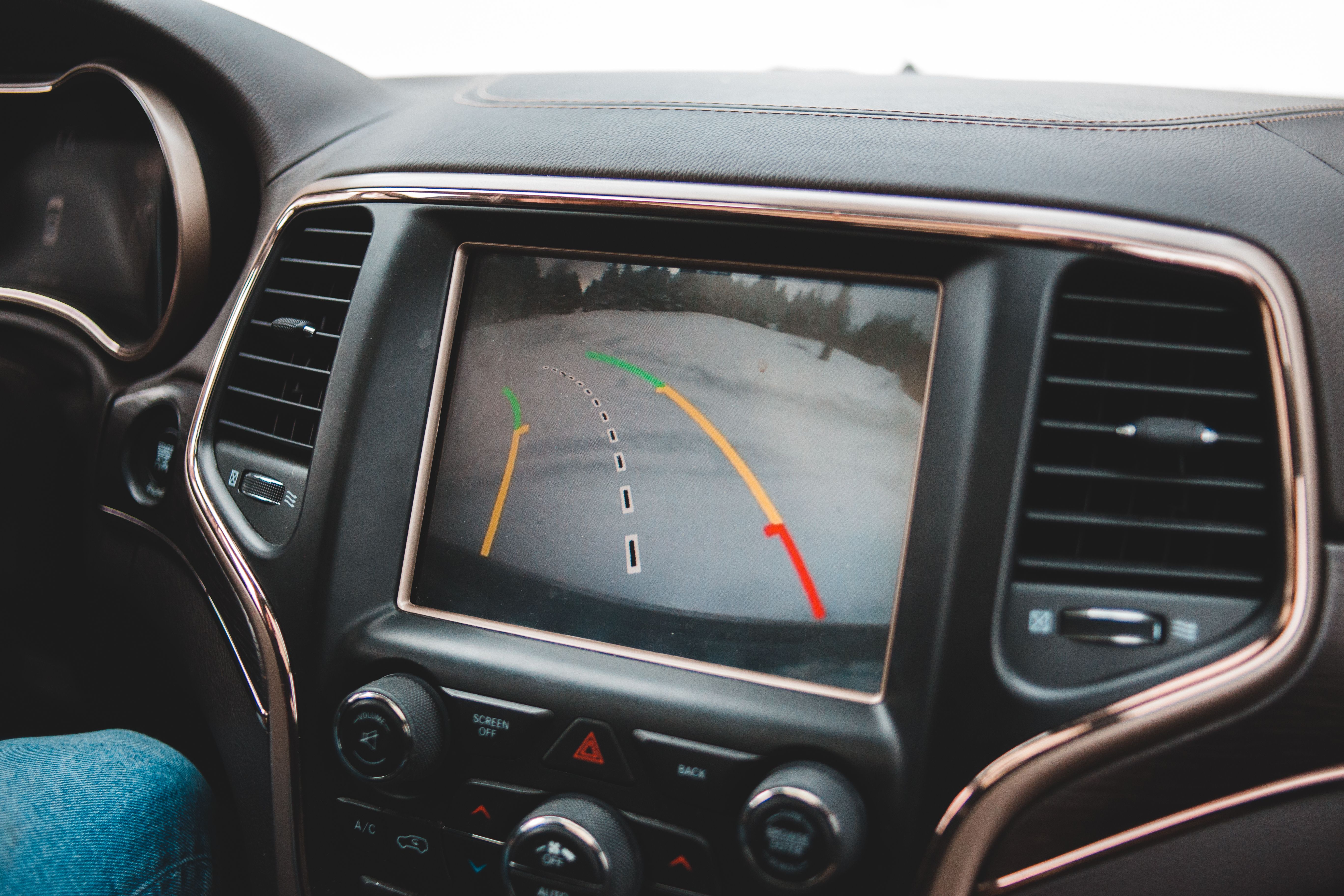
I see the strongest near-term benefit as better coordination, not a dramatic leap to hands-free driving. A coherent warning that arrives at the right moment may be more valuable than a long feature list. And familiar equipment such as a parking camera can benefit from the same broader shift toward onboard interpretation.
Smarter assistance still has a narrow operating window
AI processors can run more complex models, but more computing does not guarantee a correct reading of every scene. A camera may struggle with glare, darkness, rain or obscured lane markings. Radar has different strengths and blind spots. Software has to interpret incomplete evidence without turning uncertainty into false confidence.
A 2025 National Highway Traffic Safety Administration engineering analysis into Ford BlueCruise and related driver-assistance features described concerns involving detection of stationary vehicles in certain highway-speed and nighttime conditions. NHTSA said those limitations appeared to be factors in collisions under investigation and similar near-miss reports, and opened the analysis to examine the issue further. The case is a reminder that a more powerful chip cannot make a sensor see what conditions have hidden.
That is why assist features must be described plainly. Lane centering and adaptive cruise can reduce routine workload in supported conditions, but they do not remove the driver’s responsibility to monitor the road. A system that controls steering and speed can also invite drivers to pay less attention than they should, especially when its name or interface implies more capability than it has.
Manufacturers can use software updates to refine detection, add functions or address problems after vehicles are sold. Yet an update is not a substitute for validation across road types, weather, lighting and unusual events. I would rather see a system that communicates its limits clearly than one that appears confident until it encounters a situation its model handles poorly.
The chip is only one part of the safety case
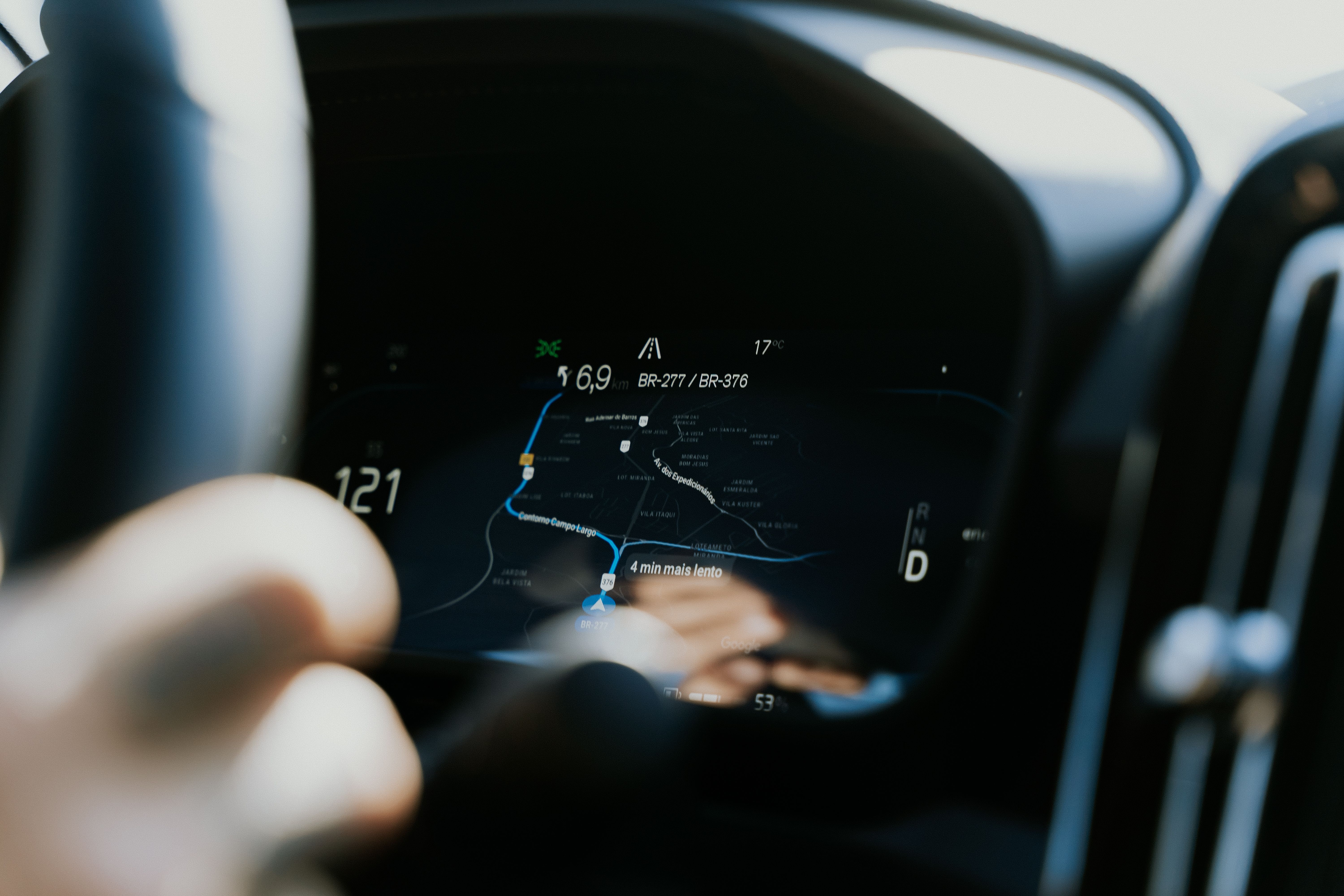
Putting more capability in the vehicle brings practical engineering trade-offs. High-performance processors consume power and generate heat; a vehicle computer must operate through temperature extremes and years of vibration. Designers also have to protect the system from software faults, cybersecurity threats and failures in sensors, wiring or power supply. The computation may be impressive, but reliability comes from the whole design.
There is also a product question: which features should be standard, and which should arrive through paid options or later software updates? A common computing platform can make it easier for a carmaker to reuse software across models. It may also leave buyers with different capabilities in vehicles that look similar, depending on sensors, hardware configuration and subscription terms. Shoppers should check what their specific trim can do, the conditions required, and whether updates change availability.
The direction is clear: AI chips are allowing more driver-assistance work to happen locally, with less dependence on separate controllers or a live internet connection. But “more functions in the car” is not the same as “the car can handle anything.” Better onboard computing can improve how quickly and coherently a vehicle responds; safer outcomes still depend on careful design, honest limits and an attentive driver.
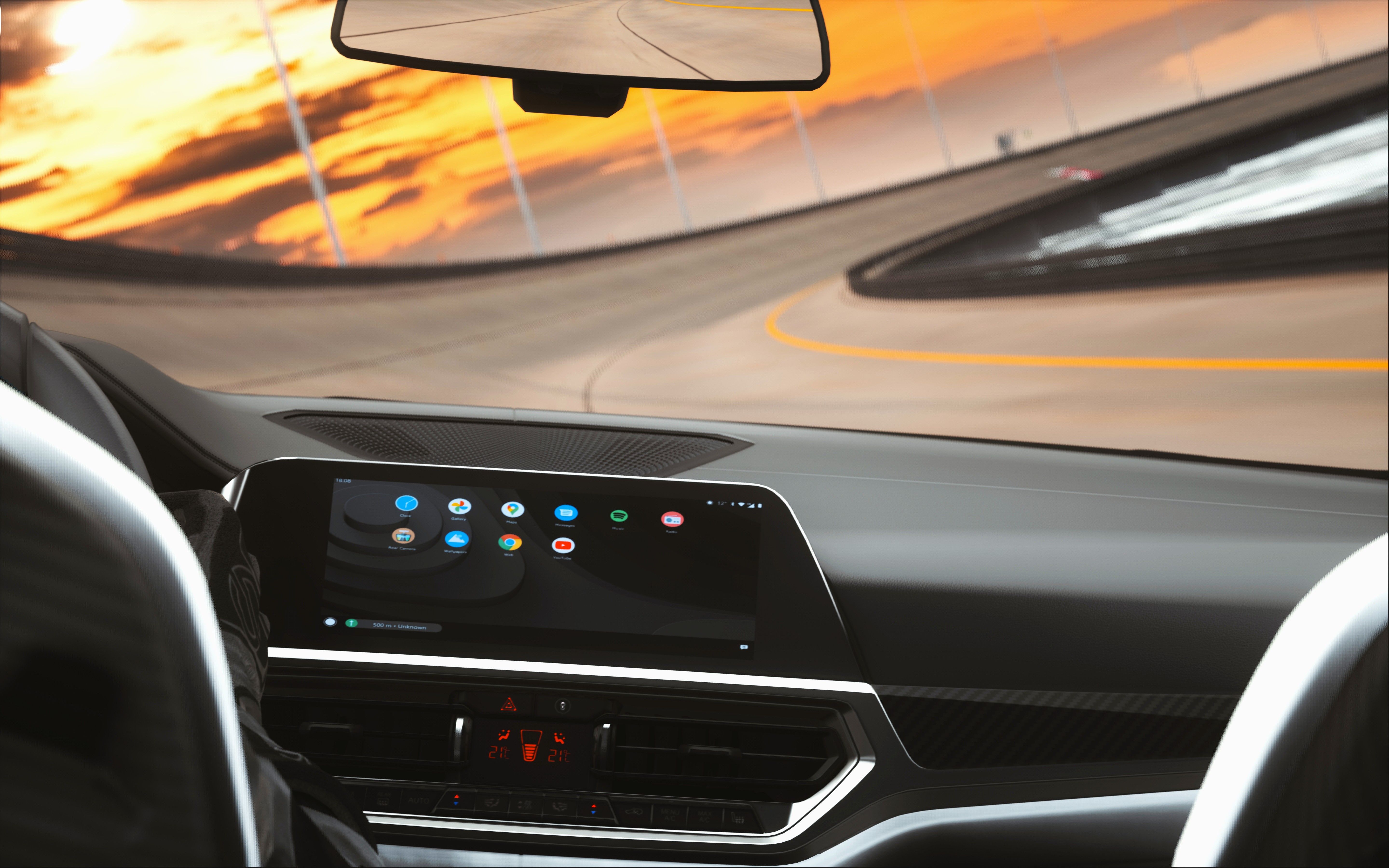
Image caption: Driver-assistance screens put sensor information and parking guidance where the driver can use it.