Video content now drives more engagement than almost any other format a business can post, but the cost of production often stops small teams from keeping up. A new wave of AI-assisted editing tools is changing that math.
This guide looks at how a prompt-based editing workflow can cut the time between filming and publishing, what that means for video marketing ROI, and how a team with no dedicated editor can still publish at a pace that keeps an audience engaged.
The short version: less setup time per video usually means more videos published, and more videos published usually means more chances to convert a viewer into a customer.
Key Takeaways
- AI-assisted editing tools reduce the setup time before real editing begins, not the editing itself.
- CapCut x Codex brings a ChatGPT video editor free entry point to teams testing whether this workflow fits their budget.
- Businesses that publish more often tend to see stronger engagement, based on current social media performance data.
- The time saved on sorting and sequencing footage can go directly into producing more content, which is the clearest link to ROI.
- A human still reviews and finishes every draft before it reaches an audience.
Why Video Speed Affects Business Results
Businesses do not get rewarded for making one perfect video a quarter. They get rewarded for showing up consistently with content an audience wants to watch.
Wyzowl’s 2024 State of Video Marketing survey found that a large majority of marketers now consider video a core part of their strategy, and most report that video content directly helped increase sales.
The catch is that this only works if a team can keep producing at a steady pace, and traditional editing has always been the bottleneck between filming and publishing.
Editing is where most of the hidden labor sits. Sorting footage, picking the best takes, and building a rough sequence often takes longer than the actual edit that follows.
When that early stage shrinks, a small marketing team can publish more often without hiring another editor.
What Changed: Editing That Starts With a Sentence

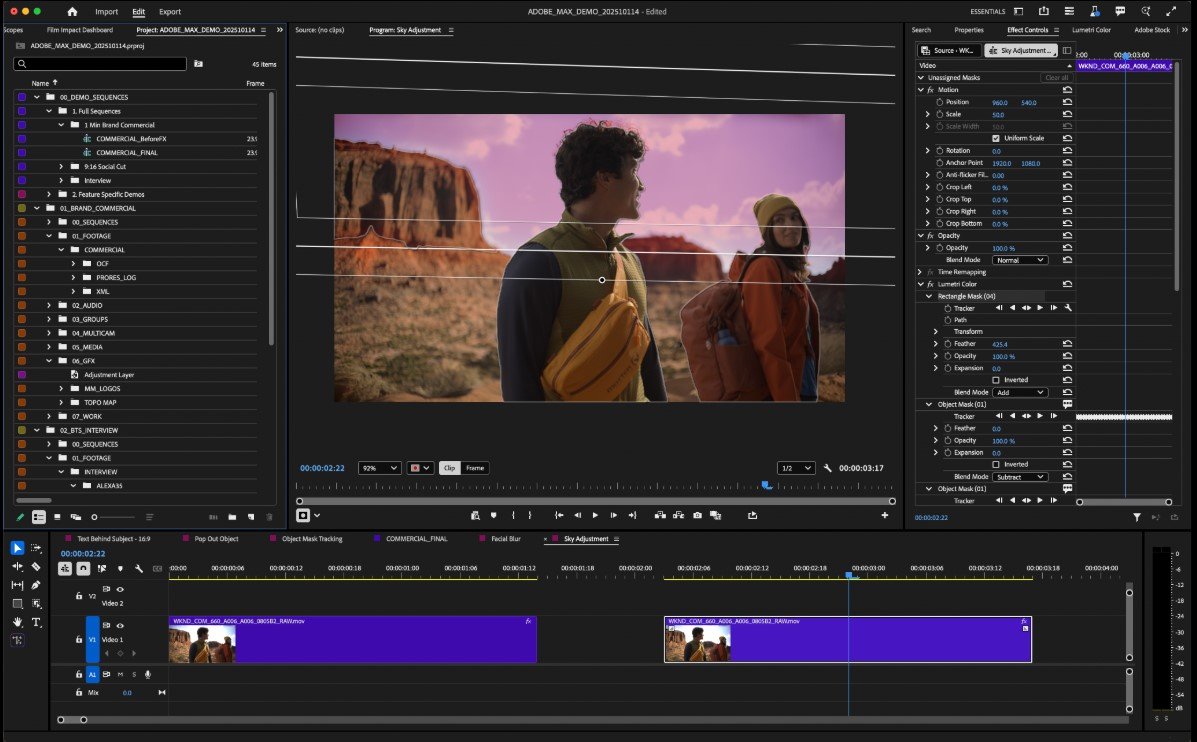
CapCut built a plugin called CapCut x Codex that works inside the ChatGPT desktop app. Instead of opening a blank timeline, a team member uploads the raw clips they already filmed and types out how they want the footage arranged.
The system reviews the footage, picks out the useful sections, and builds an editable rough cut inside CapCut.
This is where a ChatGPT video editor free workflow becomes relevant for a business budget. You can install the plugin from CapCut and run it inside a ChatGPT desktop task at no cost, then continue refining the draft in CapCut once you are happy with the direction.
For a small team testing whether AI-assisted editing fits their workflow, that free entry point matters. There is no need to commit budget before knowing whether the output is usable.
Cost is usually the first question a business owner asks before adopting any new tool, and it is a fair one. A paid editing suite or a freelance retainer adds a fixed monthly line item whether or not that week’s content plan is heavy.
A free entry point removes that risk during the testing phase, so a team can confirm the workflow actually fits before anyone signs off on a budget line.
The draft it produces is not a finished export. It stays fully editable, so a human still makes the final calls on pacing, tone, and brand consistency before anything goes live. The AI handles the repetitive first pass. The person publishing the video still owns the result.
Where the Time Savings Actually Show Up
|
Editing Stage |
Traditional Workflow |
AI-Assisted Rough Cut |
|
Reviewing raw footage |
Manual, clip by clip |
AI reviews and flags useful moments |
|
Building first sequence |
Manual timeline work |
Draft sequence generated from a prompt |
|
Matching a style or template |
Manual search and testing |
Suggested templates matched to footage |
|
Captions and language versions |
Manual typing per version |
Draft captions prepared for each version |
|
Final polish |
Full manual pass |
Full manual pass (unchanged) |
Notice that the last row does not shrink. The final polish, the part that protects brand quality, still needs a person. What shrinks is everything that happens before a human even opens the timeline.
That is the stage most likely to eat a marketing team’s week without adding anything a customer will notice.
The Business Case: Engagement Tied to Output Frequency

Sprout Social’s 2024 marketing index rated short-form video as the top-performing content format among social marketers, ahead of static images and long-form posts.
That finding lines up with something most content teams already suspect: platforms reward accounts that post often, and audiences reward brands that stay visible.
A single outstanding video published once a month rarely builds the kind of recognition that a steady stream of decent videos does.
This is the direct link between editing speed and return on investment. If a rough cut that used to take an hour of manual sorting now takes a few minutes, a team can redirect that hour toward a second video, a caption test, or a paid promotion budget.
The output per week goes up without adding headcount. That is the actual ROI story, not a claim about video quality alone.
A Simple Case Study

Consider a small ecommerce brand that films five product clips each week using a phone camera. Before, one person spent close to half a day sorting footage, picking usable takes, and building a rough sequence before any real editing began.
Using an AI-assisted workflow, that same person uploads the five clips, describes the target length and order, and receives a sequenced draft within minutes.
The time that used to go into sorting footage now goes into two extra product videos each week, at no added labor cost.
Over a quarter, that difference compounds. More published videos means more chances for a product to appear in a customer’s feed, more data on which formats perform, and more material to repurpose into ads. None of that requires better filming equipment. It requires less time lost before the real editing starts.
How to Measure Whether It Is Working
Adopting a new workflow only matters if a team can tell whether it is paying off. A few numbers are worth tracking before and after switching to an AI-assisted rough cut, rather than judging the change on a feeling.
- Time from raw footage to a reviewable draft. Track this per video for two weeks before and after adopting the workflow. This is the number most likely to shrink, and shrinking it is the whole point.
- Videos published per week. If the time saved is not turning into more published content, the workflow is not producing the engagement benefit described above.
- Engagement rate per video. Compare views, watch time, and click-through rate across the same platform and format before and after. A faster workflow should not lower quality, and this metric catches it if it does.
- Cost per finished video. Add up subscription cost, staff time, and any freelance spend, then divide by videos published. A workflow that saves time but adds a costly subscription is not automatically a win.
None of these numbers require special tools. A shared spreadsheet updated weekly is enough to see whether the change is paying off within a month or two.
Key Features That Support a Business Workflow

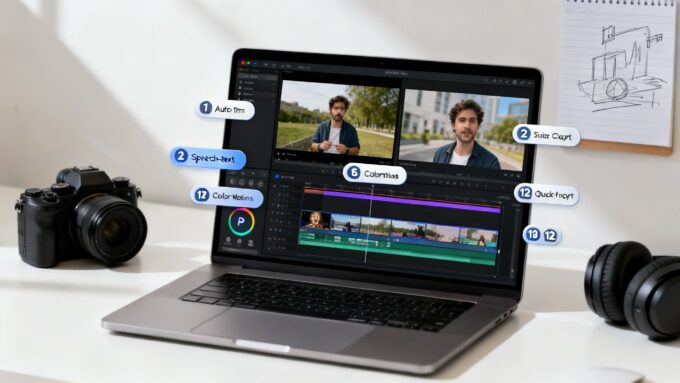
- Prompt-based rough cuts that turn uploaded footage into a sequenced draft without manual timeline work
- Template matching that suggests a CapCut template based on your footage and target style
- Caption preparation that drafts text and language versions before you fine-tune timing
- Batch-friendly setup that reduces repeated setup work across multiple videos or channels
- Free access through a prompt run inside the ChatGPT desktop app, so testing costs nothing upfront
What This Does Not Replace
None of this removes the need for a person with editing judgment. A rough cut still needs review for pacing, tone, and whether it matches the brand voice a business has built with its audience. The workflow also only uses footage a team actually uploads.
It will not invent product shots or scenes that were never filmed. Teams that expect a fully automated pipeline from prompt to publish will be disappointed. Teams that expect a faster starting point will find real value.
Frequently Asked Questions

Does using AI editing tools actually improve ROI?
The improvement comes indirectly, through time saved rather than a guaranteed sales lift. Teams that redirect saved editing time into publishing more content tend to see the engagement benefits that come with posting consistently.
Is there a real free option for testing this workflow?
Yes. CapCut x Codex can be tried at no cost by running a prompt inside a ChatGPT desktop task, then finishing the draft inside CapCut.
Do I need an in-house editor to use this?
Not necessarily. The rough cut stage no longer requires advanced editing skill, though someone still needs to review pacing, captions, and brand tone before publishing.
Will this work for every type of business video?
It tends to work best for videos built from real filmed footage, such as product clips, testimonials, and short marketing content. Fully animated or heavily stylized projects still need more manual work inside CapCut.
How is this different from just hiring a freelance editor?
A freelance editor still needs footage sorted and a brief before starting. This workflow handles that first pass automatically, so whoever you work with next, in-house or freelance, starts from a usable draft instead of raw clips.
Final Thoughts
The gap between filming a video and publishing one has always been where small teams lose the most time. Tools built around a ChatGPT video editor free entry point close that gap without asking a business to give up control over the final result.
For teams trying to publish more often without growing their editing headcount, that is where the actual return shows up.