
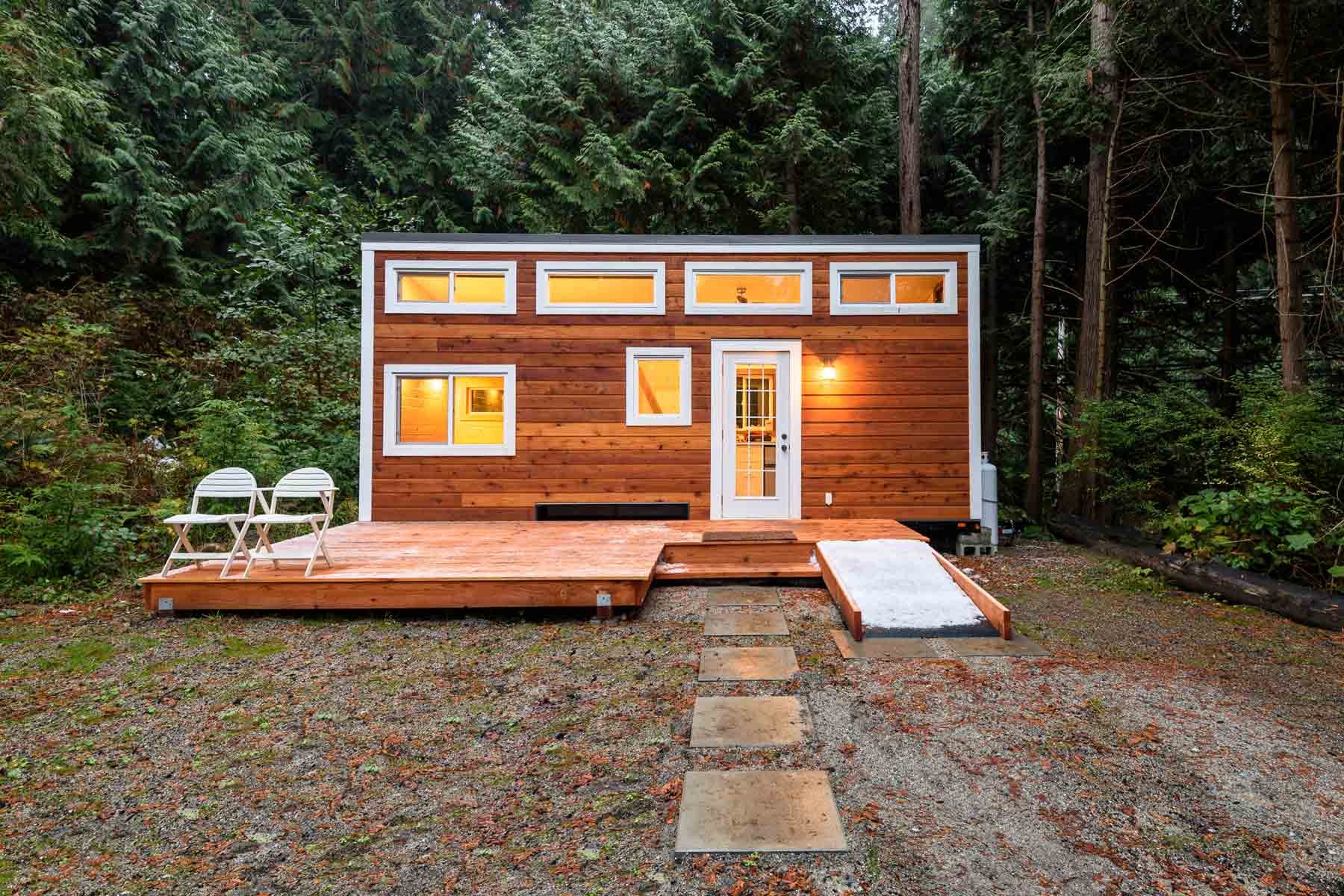
Did you know that most prospective tiny home buyers underestimate the real cost of moving in by as much as 30 percent?
It’s true—while the purchase price of a tiny home often grabs headlines, the hidden line items like delivery and on-site setup can quietly inflate your budget.
According to industry averages, tiny homes in the United States typically range from about $30,000 to $60,000, depending on size and finishes.
Understanding delivery and setup isn’t just about avoiding surprises.
Those expenses are tied to real, practical needs: transporting a structure that can be oversize, preparing the land, connecting utilities, and anchoring the home safely.
Instead of glossing over this, we’re going to break it down into clear pieces so that you know exactly what you’re really paying for—and why each part matters.
What You’re Actually Buying With Delivery And Setup Fees

Many buyers focus on square footage and exterior design, but transporting a tiny home is a technical task. If you’re building or buying from a manufacturer or builder, part of the budget must cover logistics.
Many enthusiasts and buyers learn about tiny houses from communities and guides like Nomad Adjacent.
Beyond the charming lifestyle imagery, those sites also remind us that moving a home isn’t like shipping a sofa.
Here’s the reality:
- A tiny home is often an oversize load that requires special transport equipment.
- Depending on distance from the factory to your property, the cost per mile goes up fast.
- Preparation on your land—grading, clearing, making a driveway—can add up before a truck ever arrives.
These aren’t arbitrary bills. They reflect people and machines doing specialized work to get your home to sit perfectly on your site.
Why Delivery Can Be One Of The Biggest Surprises
Consider what delivery actually involves:
- Transport logistics — oversized haulers, escort vehicles, weight permits
- Distance charges — a per-mile cost tied to fuel, driver time, and equipment
- Handling fees — equipment to lift a home or off-load it into place
- Local permit fees — required for oversized loads on public roads
Each of these ticks up the meter—and many buyers forget to budget for them until they receive an invoice.
This is why it’s essential to define delivery clearly in any quote you get from a builder.
Breaking Down Typical Delivery Costs: A Table For Clarity
It helps to see typical figures side by side. Below is a ballpark snapshot of delivery expenses across common scenarios.
| Delivery Element | Typical Range (USD) | Notes |
| Base delivery fee | $1,000 – $2,500+ | Minimum travel fee |
| Long-distance transport | $2,000 – $6,000 | Per mile beyond local radius |
| Specialized permits/escorts | $300 – $1,200+ | Varies by state/region |
| Off-loading equipment | $500 – $1,500+ | Crane, forklift, rigging |
These figures are broad estimates based on industry norms and delivery calculators provided by tiny home manufacturers.
Underneath the table: delivery isn’t optional labor—it’s a complex logistics service that requires planning and compliance with federal and local transport rules.
Setup Costs: What Happens After Your Tiny Home Arrives
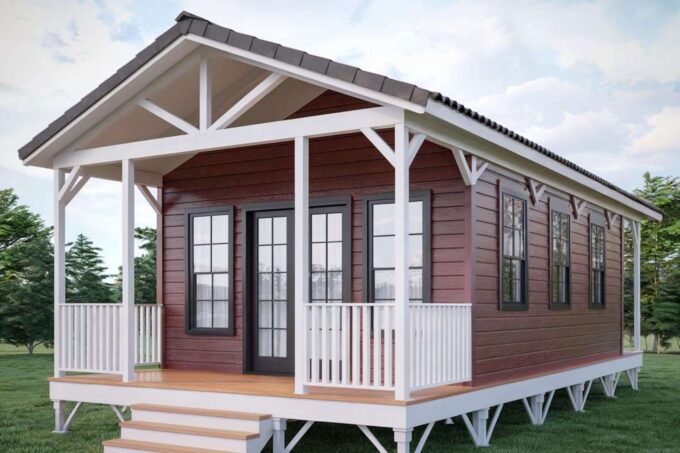
Once the tiny home lands on your property, the delivery team doesn’t just wave goodbye. They begin the setup phase, which is just as detailed as transport.
What Setup Covers
Setup charges cover all the work needed to make your tiny home functional and safe on its plot of land:
- Site preparation — leveling, foundation, gravel pads
- Anchoring and stabilization — so your home doesn’t shift
- Utility hookups — water, sewer, electric, possibly gas
- Final adjustments — stairs, skirting, external finishes
These steps add real value: they transform a transported structure into a place you can truly live.
Fact: Tiny homes on wheels may cost less to set up initially because they don’t require a traditional foundation, but they usually still need leveling supports and skirting to protect from weather and pests.
This subtle difference can alter your overall budget significantly.
A concrete pad or foundation may run several thousand dollars itself, but it improves structural stability and resale value.
Breaking Down Setup Costs: Numbers And Realities
Setup cost brackets can vary widely based on how developed your site already is—whether utilities are at your property line, how flat the land is, and whether you need grading or clearing. Here’s a realistic breakdown:
- Site Prep (grading, clearing): $1,000 – $4,000
- Foundation or supports: $2,000 – $8,000
- Utility Hookups: $1,500 – $10,000
- Exterior finishing (steps, skirting): $500 – $3,000
The total often adds up to $5,000 – $15,000 or more—close in range to what some manufactured and modular home setups cost.
Utility Costs Vary More Than You Think
Utility access is often where budgets expand fastest because inexpensive hookups assume utilities are already nearby.
If your property is remote or lacks access lines, this part of the bill can easily double.
How Location And Distance Affect Your Final Bill
Not all tiny home sites are created equal. Distance from the manufacturer’s base plays a big role in delivery fees and relates directly to cost per mile, fuel pricing, and travel time.
Likewise, some areas have extra requirements:
- Local permits for oversized loads
- Time-of-day restrictions for transport
- Roadway size limits requiring alternate routes
Understanding these potential hurdles before you sign any contracts is crucial for budgeting effectively.
Ways To Reduce Delivery And Setup Costs
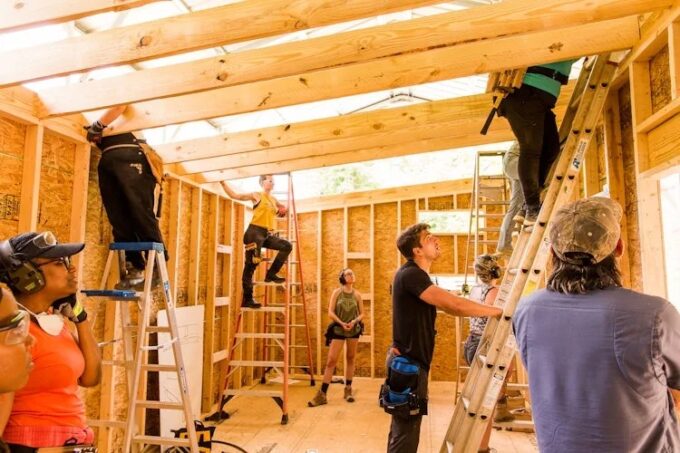
If all this sounds expensive, here are some strategies that people commonly use to manage or reduce those expenses:
- Choose a builder closer to your site
- Prepare your site in advance with a local contractor
- Bundle transport and setup services with a single vendor
- Negotiate delivery radius in your contract
- Plan utility access early with local utility companies
While not every cost is avoidable, transparency in quotes makes it easier to plan and avoid surprises.
Why Understanding These Costs Saves You Money
Tiny homes are appealing because of their simplicity and often lower purchase price compared to traditional housing. But that doesn’t mean they come with simple costs.
Delivery and setup are substantial steps in turning a transported building into your new home.
When you know what you’re paying for and why, you make smarter decisions.
Transparent quotes, site planning, and clear expectations will keep your tiny home project on-budget and on time.
Think of delivery and setup not as extra fees, but as essential investments that help your tiny house become a sturdy, connected, and livable home.
Frequently Asked Questions
Are delivery and setup the same thing?
No. Delivery refers to transporting the tiny home to your site. Setup includes site prep, anchor, utility hookups, and finishing touches.
Do I need a foundation for my tiny home?
It depends on whether your tiny home is on wheels or a permanent foundation. A foundation is more stable but adds cost.
Can I set up a tiny home myself?
Some parts of setup can be DIY, but specialized tasks like utility hookups and heavy equipment use are best left to professionals.
Is delivery always expensive?
Costs vary widely with distance, site accessibility, and local requirements. Shorter distances and easier access reduce fees.
Who pays for permits and utility access?
Typically the buyer, but always clarify in your contract with the builder or transporter.