

Some people don’t lack motivation. They lack momentum.
Across Australia, many capable adults sit one step away from employment, not because they can’t work, but because they don’t yet have the right skills, confidence, or readiness to step into today’s jobs.
That gap doesn’t close through pressure or shortcuts. It closes through structured education pathways that meet people where they are and move them forward.
This is where programs like the skills for education and employment programs make a measurable difference. They don’t just teach skills. They rebuild confidence, capability, and connection to work.
Why Job Readiness Is Not Only About Qualifications

Employers do not employ certificates only. They recruit individuals who can communicate effectively, follow directions, use technology, and adapt to workplace expectations.
Traditional education does not necessarily solve many problems that Australians encounter, including:
- Low literacy or numeracy
- Limited digital skills
- Long gaps away from work
- Inadequate trust in institutionalised learning places.
- challenges in the recruitment procedures.
Adult-centric education pathways are based on these facts rather than negating them.
What Education Pathways Do Differently
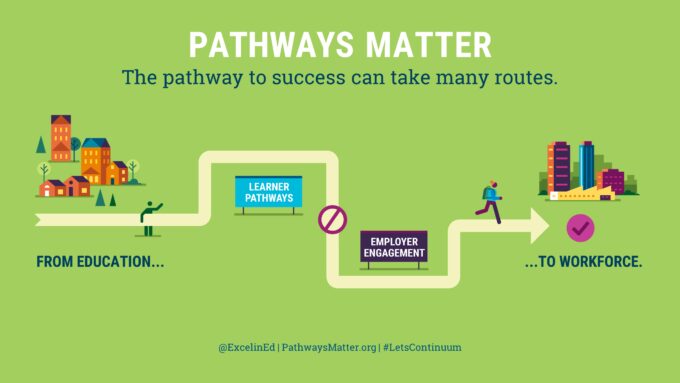
The skills for education and employment programme focuses on foundational skills that directly connect to real workplaces. Unlike abstract learning, participants develop practical skills they can apply in the short term.
These pathways assist individuals to:
- Develop reading, writing, and numeracy.
- Acquire digital literacy in contemporary workplaces.
- Communicate in work-related situations.
- Learn the expectations and work culture.
- Equip oneself for even more training or work.
The process of learning remains practical, contextual and relevant to daily life.
Learning to Earning: Pathways to Building Confidence
Skills are lost before confidence. Literate or language-deficient people often do not apply for jobs, attend interviews, or attend training, as prior experiences have discouraged them.
Education pathways restore confidence by:
- Providing adult-centred learning conditions.
- Enabling individuals to study at their own speed.
- It is better to be moving forward than striving for perfection.
- Linking learning with work objectives.
“Job readiness doesn’t begin with a resume. It begins when people believe they are capable of learning and contributing again.”
That belief changes outcomes.
The Measurable Impact of Skills-Based Pathways
Multiple studies show that adults with stronger foundational skills — especially literacy, numeracy, and digital ability — are more likely to find and keep work, earn higher wages, and stay active in the labour market. Weak foundational skills are linked with disadvantage in accessing quality employment, while improvements in these areas are tied to better job prospects and participation.
Programs like the Australian Government’s Skills for Education and Employment give people structured, practical training in the skills employers look for — and evidence suggests this does make a difference. Improving these core skills supports workforce participation and better long-term employability by helping individuals communicate, use technology, and meet workplace expectations.
When people gain the foundational skills employers expect, research and government reporting both show that employment opportunities expand and workforce engagement grows.
Research consistently shows that improving foundational skills improves employment outcomes.
According to the Australian Government, adults who improve literacy, numeracy, or digital skills through structured programs demonstrate higher workforce participation and stronger long-term employability.
When people gain the skills employers expect, opportunity follows.
How Pathways Support Diverse Learners
Education pathways don’t assume everyone starts from the same place. They adapt to different life experiences and learning needs.
Participants may include:
- Adults returning to work after long breaks
- Migrants strengthening workplace communication
- People changing industries
- Parents re-entering the workforce
- Individuals preparing for vocational training
The skills for education and employment program supports this diversity by adjusting learning approaches without lowering expectations.
What Makes These Pathways Effective
Not all training leads to employment. Programs succeed when they align learning with tangible outcomes.
| Job-Readiness Focus | How Pathways Support It |
| Communication | Practical workplace language |
| Digital skills | Everyday technology use |
| Confidence | Supported, adult-friendly learning |
| Work habits | Punctuality, teamwork, reliability |
| Next steps | Clear links to training or jobs |
This structure turns learning into momentum.
The Link Between Language, Literacy, and Employment
Strong communication skills sit at the centre of employability. Reading instructions, writing emails, completing forms, and speaking confidently all affect workplace performance.
The Australian Government notes that improved English and literacy skills support better employment outcomes, stronger social participation, and smoother transitions into training or work.
When education pathways integrate language and literacy development, they remove one of the most common barriers to work.
Why Employers Benefit Too

Education pathways don’t just support individuals, they strengthen the workforce and create value for employers by helping people enter roles with the skills needed to perform well from day one. When workers have solid literacy, communication, and digital skills, companies see clearer teamwork, smoother processes and often less time and money spent on basic training. Training and skill development are linked with increased productivity and better performance overall.
Employers benefit from:
- Job-ready candidates: Workers with practical foundational skills can start contributing sooner.
- Reduced onboarding time: Fewer delays in training means faster integration into teams.
- Stronger communication: Clearer communication improves collaboration and reduces errors.
- Safer work environments: Employees who understand instructions and safety information help lower risk.
- Better retention and morale: Skill development fosters confidence and engagement, reducing turnover and strengthening workplace culture.
Education as a Bridge, Not a Detour
For many Australians, education pathways don’t delay employment; they enable it. They provide a bridge between where someone is and where they want to be.
The skills for education and employment program supports that transition by focusing on readiness rather than remediation. It respects adult learners while equipping them with tools to succeed.
Final Thought

Becoming job-ready doesn’t require starting over. It requires the right pathway.
When Australians access education that builds foundational skills, confidence, and direction, they don’t just become employable; they become resilient, adaptable, and future-ready.
The skills for education and employment program proves that with the proper support, people don’t just find jobs. They rebuild momentum and move forward with purpose.