
A guest’s impression of a hotel room often starts in the bathroom. In Honolulu, where visitors expect a mix of comfort and tropical elegance, cloudy shower glass can quickly spoil that impression.
Hard water minerals, salt air, and daily use combine to leave streaks and haze that make even a freshly cleaned bathroom look worn.
For hoteliers, the decision to restore or replace shower glass is both a financial and reputational one.
Understanding the trade-offs helps property managers keep costs under control while ensuring guest satisfaction remains high.
Table: Comparing Restoration and Replacement Costs
The financial and operational impact of each option becomes clearer when laid out side by side:
| Factor | Restoration (Per Door) | Replacement (Per Door) |
| Average Cost Range | $150 – $300 | $800 – $1,200 |
| Time Required | 1–2 hours | 4–6 hours + downtime |
| Guest Room Downtime | Minimal | Full-day closure |
| Lifespan Extension | 2–5 years | 8–12 years |
| Sustainability Impact | Eco-friendly reuse | More material waste |
For many managers, restoration offers the fastest return—lower costs, less disruption, and sustainability benefits. Replacement makes sense when the goal is longevity, or when existing panels are simply beyond repair.
Why Guest Impressions Matter
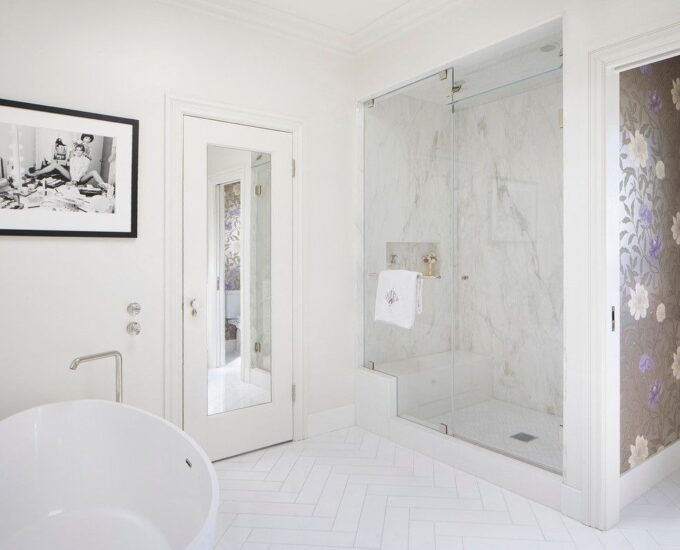
Hotels live and die by guest perception, and bathroom details play an outsized role. A shower door that sparkles suggests cleanliness, care, and value. One that looks streaked or dull communicates neglect, even if housekeeping worked hard to sanitize the space.
- Guest expectations are rising: Online reviews reward spotless bathrooms.
- Perception drives loyalty: A clear shower glass adds to the sense of luxury.
- Small issues become big signals: Guests may doubt cleanliness if the glass looks dirty.
In a competitive market like Honolulu, this detail can decide whether a traveler books again or chooses another property. Glass clarity directly affects ratings and repeat revenue.
The Role of Hard Water in Honolulu
Honolulu’s water supply is naturally rich in calcium and magnesium. These minerals bind to glass, forming chalky residue that gradually etches into the surface. Add in the city’s humid climate and proximity to ocean spray, and you have a recipe for stubborn stains.
Professional hard water spot removal services provide a middle path. They use specialized techniques to break down buildup without harming the glass.
This approach works best when addressed early, before minerals cause permanent etching. For hotels, it often means the difference between extending the life of existing panels or budgeting for full replacement.
The key insight: restoration is possible, but only if action is taken before the glass has suffered structural damage or deep clouding.
When Restoration Works Best
Restoration isn’t just a temporary fix. Done well, it can return glass to near-new clarity while extending its usable life. It is especially effective in these cases:
- Surface haze and light spotting that hasn’t penetrated deeply.
- Minor scratches or water streaks that respond to polishing.
- Budget-conscious upgrades where many rooms need attention at once.
- Eco-minded operations seeking to reduce waste and reuse materials.
By building restorative treatments into a maintenance schedule, hotels avoid last-minute emergencies and stretch their renovation budgets further. Guests notice the difference, and managers gain time before needing major capital investment.
When Replacement Becomes Necessary
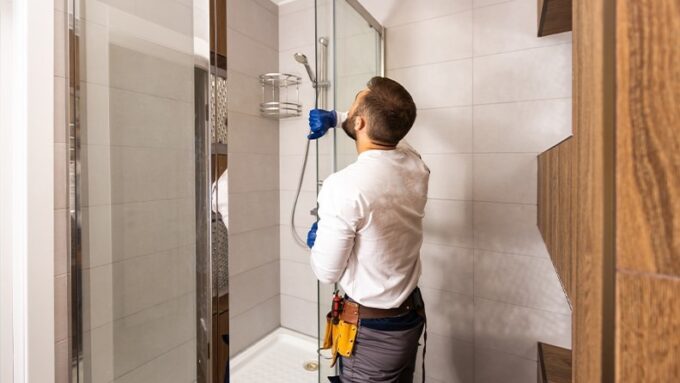
There are limits to what restoration can achieve. Replacement is the only option when:
- Deep mineral etching has left permanent cloudiness.
- Cracks or chips pose a safety hazard.
- Hardware is outdated, corroded, or misaligned.
- Years of neglect have left the glass beyond professional recovery.
While the cost is higher, replacement resets the maintenance cycle. Newer panels often come with coatings that resist buildup, reducing cleaning costs and improving long-term performance.
For properties aiming at a luxury market, the fresh, flawless look of new glass often justifies the expense.
The Hidden Costs of Guest Downtime
Room closures are often overlooked in cost analysis. Even a one-night closure in peak season can erase the savings from a cheaper fix.
Restoration usually allows rooms to return to service within hours. Replacement, by contrast, can require a full day of downtime plus cleanup.
Hotels need to weigh:
- Occupancy rates at the time of service.
- Revenue lost per closed room.
- Long-term savings from fewer future interventions.
The most financially sound choice often depends less on the sticker price and more on timing within the hotel’s booking cycle.
Practical Tips for Managing Costs
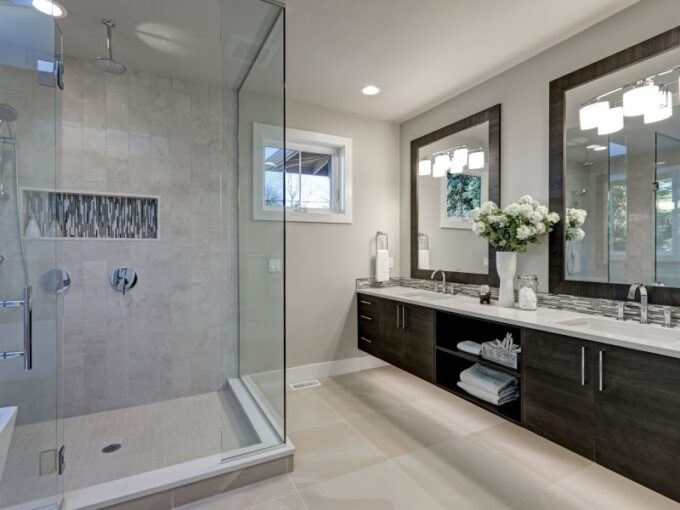
Cost control depends on proactive care as much as choosing between restoration and replacement. A few proven strategies include:
- Conduct quarterly inspections to spot early damage.
- Use approved cleaners to prevent scratching during routine housekeeping.
- Schedule annual restorative treatments as preventive maintenance.
- Negotiate contracts with local providers familiar with Honolulu’s water conditions.
With these steps, hotels reduce both urgent repair calls and guest complaints. They also extend the lifecycle of their fixtures, keeping overall capital expenses more predictable.
A Balanced Approach for Honolulu Hotels
For most properties, a hybrid strategy delivers the best results. Restore panels whenever possible, replacing only those that are damaged beyond repair.
This spreads costs over time, reduces waste, and ensures consistent guest satisfaction.
Clear shower glass isn’t just a design detail—it reflects how much care a hotel invests in comfort, safety, and reputation. With thoughtful planning, managers can keep rooms looking pristine without overspending, giving every guest the sense of luxury they expect in Honolulu.