

Gaming did not become global in one dramatic jump. It spread because the small technical barriers started falling away.
Better internet, cheaper smartphones, faster mobile data, cloud storage, digital stores and smoother payment systems all pushed in the same direction.
They made games easier to find, easier to update and easier to play with other people. That sounds obvious now, but it changed almost everything.
For a long time, gaming depended on local access. A player needed the right console, the right copy of a game and usually the right group of friends nearby.
If a title was not sold in your country, or if hardware was too expensive, you were mostly left out. Even early online gaming still had limits.
Slow connections made matches frustrating. Downloads took forever. Many games were built around markets where good internet was already normal.
The Phone Changed the Audience
Connectivity opened that up. A game no longer has to pass through the old retail path before it reaches players.
It can appear on a digital store, spread through an app platform or gain attention through a streamer before most people have even seen an advert.
That is why gaming now moves so quickly from one region to another. A player in Kenya, Brazil, Poland or the Philippines can discover the same title in the same week, sometimes from the same short clip.
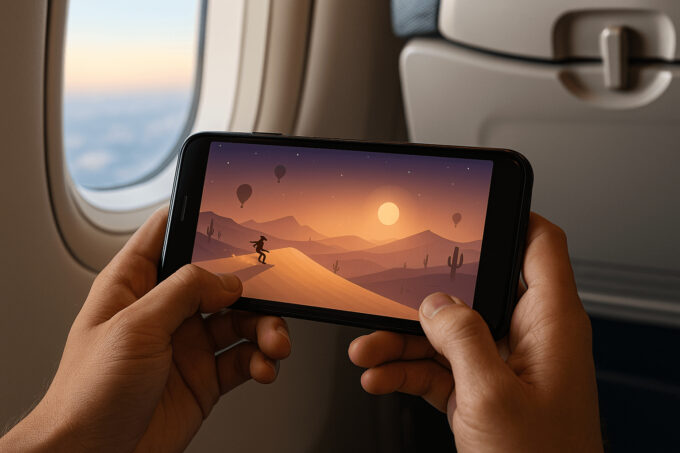
Mobile gaming is the clearest example. It did not need every player to buy a console. It used a device people already carried.
Once data networks improved, the phone became a serious gaming machine, especially in places where traditional gaming hardware was less common.
This widened the audience. Gaming was no longer only for people who owned expensive systems at home.
It became something people could do on a bus, during a break or late at night with nothing more than a charged battery and a decent signal.
Online Casinos Followed the Same Shift
Online casino platforms fit into this wider shift too. They are not the same as traditional video games, but they rely on many of the same improvements.
That’s why platforms like Betway casino Zambia utilize fast loading, secure logins, mobile access, payment systems, live dealer streams and real-time game response all depend on stable connectivity. The main change is access.
Games that once belonged to a physical venue can now be reached through a phone or laptop. That also raises expectations. If the page freezes, the payment flow feels unclear or the live stream lags, the whole experience loses trust quickly.
Games Started Feeling Alive

Connectivity also changed the feeling of games themselves. A game is no longer just software sitting on a device. Many games are now living services.
They have seasons, live events, patches, leaderboards, daily rewards, ranked modes and cross-platform accounts. All of that depends on being connected.
The game keeps moving even when the player is not there.
Multiplayer made the change even bigger. Playing against someone in another country used to feel special. Now it is normal. That has created a global gaming language.
Players copy tactics from streamers, learn styles from other regions and join communities that have nothing to do with geography.
A teenager in Lagos can follow the same esports team as someone in Berlin. A casual player in Manila can join the same Discord server as someone in Toronto.
The connection is not only technical. It becomes social.
Streaming Made Games Travel Faster
Streaming pushed this even further. People no longer need to play a game first to become part of its culture. They can watch, comment, share clips and follow tournaments.
A game can become popular because one moment travels well online. Sometimes the audience arrives before the players do. They see the reactions, the jokes, the skill, the drama, and only then decide to download it.
The Next Gap Is Still Infrastructure
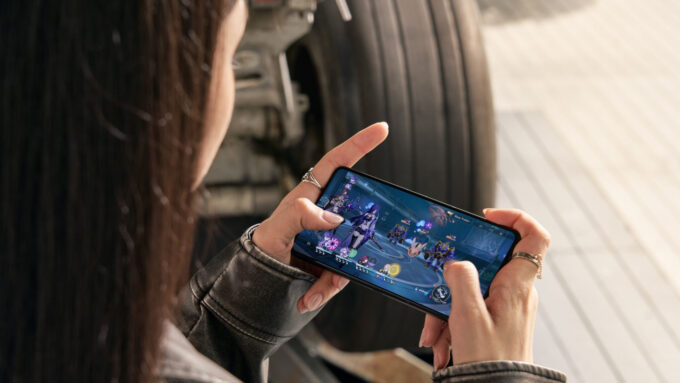
Still, global gaming is not equal everywhere. A player with fibre internet and nearby servers has a different experience from someone using unstable mobile data. Large downloads, high ping and weak coverage still matter.
That is why the next stage of global gaming will not only be about better graphics. It will be about lighter games, smarter compression, stronger regional servers and products that work well even when the connection is not perfect.
Connectivity did not just help people play more games. It changed where gaming lives. The lobby is no longer local.
It is spread across countries, devices and communities, held together by the simple fact that more people can now connect at the same time.
FAQs
1. How do game developers design games for regions with weak internet?
Developers increasingly build lighter versions of games, reduce file sizes, and optimize data usage so games can run smoothly even on slower or unstable connections. Techniques like adaptive resolution and offline features are becoming more common.
2. Why are regional servers important in modern gaming?
Regional servers reduce latency and improve response time. Without nearby servers, players experience delays that affect gameplay, especially in competitive multiplayer environments where timing matters.
3. What is cross-platform gaming and why does it matter globally?
Cross-platform gaming allows players on different devices, such as phones, consoles, and PCs, to play together. This removes hardware barriers and expands the player base across regions and income levels.
4. How do data costs affect gaming adoption in developing countries?
High mobile data costs can limit how often people download or update games. Even if devices are available, expensive data plans can slow adoption or push players toward smaller, less data-heavy games.
5. Can gaming grow further without major infrastructure improvements?
Growth can continue, but at a slower pace. Technologies like better compression and cloud optimization help, but long-term expansion still depends on wider access to fast, stable internet and affordable data.