
Florida is a dynamic state, and things are changing fast. Its population has been climbing, its roads stay packed, and its vehicle turnover rate reflects both. Millions of cars, trucks, and SUVs reach the end of their useful lives every year in this state, but what happens to that metal, both financially and industrially?
For scrap yards, salvage operators, auto recyclers, and the sellers who feed them, the end-of-life vehicle market in Florida is one of the most active and consistently valuable streams in the country.
To maximize your returns for scrap metal removal, you need to know how that market works and what drives the numbers. This helps every player in the chain get more out of every vehicle, and that’s what we’ll discuss today.
Florida’s Vehicle Numbers
Along with California and Texas, Florida consistently ranks among the top three states for total registered vehicles.
According to the most recent data (from 2024), there are over 17 million registered vehicles in the state, a number that grows with the population and shows no sign of pulling back.
With high vehicle volume comes proportionally high vehicle turnover.
Cars age out, get totaled in accidents, succumb to flood damage after storms, or simply reach the point where repair costs exceed their market value.
Each one of those vehicles becomes a source of recoverable material, and in a state with this many registered cars, that stream of material is substantial.
The auto recycling industry in the United States processes an estimated 12 million end-of-life vehicles each year, generating close to 14 million tons of recycled steel alone.
Florida accounts for a meaningful slice of that national total, driven by its size, climate, and demographics.
What’s Actually Inside an End-of-Life Vehicle?
A typical passenger vehicle contains a considerable amount of recoverable metal, spread across its body, engine, drivetrain, and components.
Steel makes up the largest portion.
Some reports indicate that the average car contains over 800 kg of steel, including the frame, body panels, suspension components, and various structural elements.
End-of-life vehicles are the source of much of the steel that feeds electric arc furnaces across the United States. Recycling steel involves melting and recasting it into new steel products without the excessive energy cost of mining virgin ore.
Aluminum comes next in volume. Modern vehicles use aluminum extensively in engine blocks, wheels, hoods, and trim.
The shift toward lighter vehicle construction over the past two decades has considerably increased the aluminum content of the average car, which is good news for scrap values, since aluminum commands a higher price per pound than steel.
Beyond those two, vehicles contain:
- Copper in their wiring harnesses
- Catalytic converters loaded with platinum group metals
- Lead-acid batteries
- Various other non-ferrous materials
The catalytic converter alone has become one of the most talked-about components in the scrap world. It tends to have recoverable amounts of platinum, palladium, and rhodium that hold real value on the commodity market.
Taken together, a single end-of-life vehicle represents hundreds of dollars in recoverable material at current market rates. Volume multiplies that considerably.
How the Florida Environment Affects Vehicle Scrap Supply
Florida’s geography and climate actively shape how quickly vehicles exit service and what condition they arrive in.
Salt air and humidity accelerate corrosion, particularly in coastal counties.
A vehicle that might survive 15 years in a drier inland climate may develop major rust issues within 8 to 10 years in more humid climates, like Florida’s. That shortens vehicle lifespans and pushes more cars into the end-of-life pipeline sooner.
Storm damage is another major factor.
Florida sees more hurricane activity than any other state, and flood damage is one of the most common causes of total-loss insurance claims following a major storm.
After hurricanes like Ian and Irma, the volume of flood-damaged vehicles entering the salvage market spiked sharply. Those vehicles may be beyond road use, but they carry full recoverable scrap value.
The state’s warm climate also sustains a large population of older vehicles.
Cars that would corrode out in northern states stay on Florida roads for longer, but eventually they too reach end-of-life status. In turn, the volume entering scrap channels remains steadier year-round rather than spiking seasonally the way it does in colder states.
The Salvage and Auto Recycling Chain
The journey from end-of-life vehicle to recycled metal runs through several stops.
Insurance companies and fleet operators dispose of totaled or decommissioned vehicles through salvage auctions. Licensed salvage dealers purchase these vehicles and either part them out or send them whole to auto shredders.
Shredding facilities separate ferrous from non-ferrous material and process each stream accordingly. Scrap yards and processors buy sorted material and move it to mills, smelters, or exporters, depending on the metal type.
Florida’s port infrastructure plays a noteworthy part in the back half of this chain.
Miami, Tampa, Jacksonville, and Port Everglades all handle scrap metal exports, with non-ferrous materials frequently destined for mills in Asia and Europe, where demand for clean scrap feedstock remains strong.
The global picture behind that demand is worth understanding.
As covered in detail over at Scrap Gators, manufacturers worldwide are increasingly sourcing recycled metal over virgin ore, and that shift is driving the demand floor higher for local sellers across Florida.
What Scrap Values Look Like for Auto Material
Ferrous and non-ferrous metals command different prices, and within each category, grades matter.
Steel from shredded vehicles, often called shredded scrap or auto shred, trades as a commodity, with prices moving in line with mill buying activity and international benchmarks.
The price per ton ebbs and flows with market conditions, but the steel from end-of-life vehicles consistently finds buyers because mills need a reliable, processed feedstock.
Non-ferrous materials from vehicles fetch considerably more per pound.
Aluminum wheels, for example, typically sell for several times the price of steel by weight. Copper wiring commands even more. Catalytic converters have their own pricing structure tied to the spot prices for platinum group metals, which can make a single converter worth a meaningful amount depending on the vehicle make and model.
Sellers who take time to separate materials before bringing them in generally come out ahead. A load of sorted aluminum wheels prices out differently from a mixed vehicle shell.
Knowing what you have and presenting it cleanly is one of the most straightforward ways to increase your return per vehicle.
The Regulatory Considerations for Florida Auto Scrap
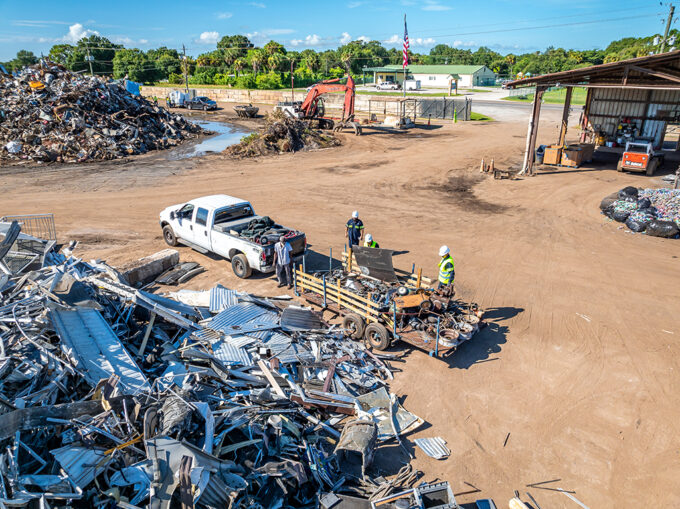
Florida has specific regulations governing the sale and purchase of salvage vehicles and their components. The state requires documentation for certain types of sales, particularly catalytic converters, which have become targets for theft due to their metal content.
Sellers working within the legitimate salvage chain need to maintain proper title documentation for end-of-life vehicles and understand which components require additional paperwork.
Licensed scrap dealers and auto recyclers are required to follow state and local compliance rules around these transactions. These rules protect both the buyer and seller and keep the market operating cleanly.
Working with a reputable, licensed facility matters. It protects you from liability and ensures your materials are handled, priced, and processed correctly.
Why the Auto Scrap Market in Florida Stays Strong
A few structural factors keep Florida’s end-of-life vehicle scrap market consistently active.
Population growth means more vehicles on the road, which means a steady replacement rate as older vehicles exit service. For example, Florida added over 360,000 new residents in 2023, each one adding to the vehicle registration base over time.
The used vehicle market also plays a role.
When used car prices rise, more vehicles get pulled out of end-of-life status for resale and repair. When prices normalize, or parts become costly, the opposite happens, and scrap channels receive more volume. The scrap market absorbs what the resale market doesn’t want.
The clean energy transition is also beginning to shape the downstream side.
Electric vehicles contain more copper than conventional vehicles, roughly three times as much wiring by weight. As EVs grow as a share of the vehicle fleet, the non-ferrous value of the average end-of-life vehicle will grow too.
That trend is still relatively young, but it’s moving in one direction.
Get Started on Turning Your End-of-Life Vehicles Into Cash
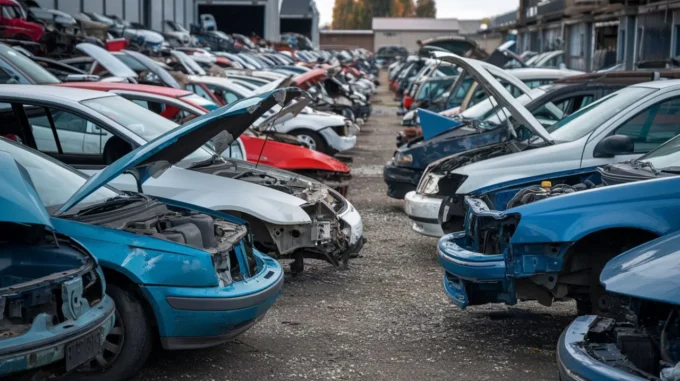
Florida’s auto scrap market has real promise, and understandably, businesses are excited about it.
Factors like the volume of end-of-life vehicles the state generates, combined with port access to global buyers and strong downstream demand for both ferrous and non-ferrous material, make Florida one of the more active scrap streams in the country.
Are you managing a fleet, operating a salvage business, or clearing a personal vehicle that has reached the end of its road? Then understanding what the material is worth and where it goes helps you make better decisions about how and when to sell.