Home Blog

End-of-Life Vehicles and the Scrap Metal Market

0
Source: bread4scrap.com

Florida is a dynamic state, and things are changing fast. Its population has been climbing, its roads stay packed, and its vehicle turnover rate reflects both. Millions of cars, trucks, and SUVs reach the end of their useful lives every year in this state, but what happens to that metal, both financially and industrially?

For scrap yards, salvage operators, auto recyclers, and the sellers who feed them, the end-of-life vehicle market in Florida is one of the most active and consistently valuable streams in the country.

To maximize your returns for scrap metal removal, you need to know how that market works and what drives the numbers. This helps every player in the chain get more out of every vehicle, and that’s what we’ll discuss today.

Florida’s Vehicle Numbers

Along with California and Texas, Florida consistently ranks among the top three states for total registered vehicles.

According to the most recent data (from 2024), there are over 17 million registered vehicles in the state, a number that grows with the population and shows no sign of pulling back.

With high vehicle volume comes proportionally high vehicle turnover.

Cars age out, get totaled in accidents, succumb to flood damage after storms, or simply reach the point where repair costs exceed their market value.

Each one of those vehicles becomes a source of recoverable material, and in a state with this many registered cars, that stream of material is substantial.

The auto recycling industry in the United States processes an estimated 12 million end-of-life vehicles each year, generating close to 14 million tons of recycled steel alone.

Florida accounts for a meaningful slice of that national total, driven by its size, climate, and demographics.

Source: orlandomagazine.com

What’s Actually Inside an End-of-Life Vehicle?

A typical passenger vehicle contains a considerable amount of recoverable metal, spread across its body, engine, drivetrain, and components.

Steel makes up the largest portion.

Some reports indicate that the average car contains over 800 kg of steel, including the frame, body panels, suspension components, and various structural elements.

End-of-life vehicles are the source of much of the steel that feeds electric arc furnaces across the United States. Recycling steel involves melting and recasting it into new steel products without the excessive energy cost of mining virgin ore.

Aluminum comes next in volume. Modern vehicles use aluminum extensively in engine blocks, wheels, hoods, and trim.

The shift toward lighter vehicle construction over the past two decades has considerably increased the aluminum content of the average car, which is good news for scrap values, since aluminum commands a higher price per pound than steel.

Beyond those two, vehicles contain:

  • Copper in their wiring harnesses
  • Catalytic converters loaded with platinum group metals
  • Lead-acid batteries
  • Various other non-ferrous materials

The catalytic converter alone has become one of the most talked-about components in the scrap world. It tends to have recoverable amounts of platinum, palladium, and rhodium that hold real value on the commodity market.

Taken together, a single end-of-life vehicle represents hundreds of dollars in recoverable material at current market rates. Volume multiplies that considerably.

Source: weforum.org

How the Florida Environment Affects Vehicle Scrap Supply

Florida’s geography and climate actively shape how quickly vehicles exit service and what condition they arrive in.

Salt air and humidity accelerate corrosion, particularly in coastal counties.

A vehicle that might survive 15 years in a drier inland climate may develop major rust issues within 8 to 10 years in more humid climates, like Florida’s. That shortens vehicle lifespans and pushes more cars into the end-of-life pipeline sooner.

Storm damage is another major factor.

Florida sees more hurricane activity than any other state, and flood damage is one of the most common causes of total-loss insurance claims following a major storm.

After hurricanes like Ian and Irma, the volume of flood-damaged vehicles entering the salvage market spiked sharply. Those vehicles may be beyond road use, but they carry full recoverable scrap value.

The state’s warm climate also sustains a large population of older vehicles.

Cars that would corrode out in northern states stay on Florida roads for longer, but eventually they too reach end-of-life status. In turn, the volume entering scrap channels remains steadier year-round rather than spiking seasonally the way it does in colder states.

Source: americanrecycler.com

The Salvage and Auto Recycling Chain

The journey from end-of-life vehicle to recycled metal runs through several stops.

Insurance companies and fleet operators dispose of totaled or decommissioned vehicles through salvage auctions. Licensed salvage dealers purchase these vehicles and either part them out or send them whole to auto shredders.

Shredding facilities separate ferrous from non-ferrous material and process each stream accordingly. Scrap yards and processors buy sorted material and move it to mills, smelters, or exporters, depending on the metal type.

Florida’s port infrastructure plays a noteworthy part in the back half of this chain.

Miami, Tampa, Jacksonville, and Port Everglades all handle scrap metal exports, with non-ferrous materials frequently destined for mills in Asia and Europe, where demand for clean scrap feedstock remains strong.

The global picture behind that demand is worth understanding.

As covered in detail over at Scrap Gators, manufacturers worldwide are increasingly sourcing recycled metal over virgin ore, and that shift is driving the demand floor higher for local sellers across Florida.

What Scrap Values Look Like for Auto Material

Ferrous and non-ferrous metals command different prices, and within each category, grades matter.

Steel from shredded vehicles, often called shredded scrap or auto shred, trades as a commodity, with prices moving in line with mill buying activity and international benchmarks.

The price per ton ebbs and flows with market conditions, but the steel from end-of-life vehicles consistently finds buyers because mills need a reliable, processed feedstock.

Non-ferrous materials from vehicles fetch considerably more per pound.

Aluminum wheels, for example, typically sell for several times the price of steel by weight. Copper wiring commands even more. Catalytic converters have their own pricing structure tied to the spot prices for platinum group metals, which can make a single converter worth a meaningful amount depending on the vehicle make and model.

Sellers who take time to separate materials before bringing them in generally come out ahead. A load of sorted aluminum wheels prices out differently from a mixed vehicle shell.

Knowing what you have and presenting it cleanly is one of the most straightforward ways to increase your return per vehicle.

Source: atlandrecycling.com

The Regulatory Considerations for Florida Auto Scrap

Florida has specific regulations governing the sale and purchase of salvage vehicles and their components. The state requires documentation for certain types of sales, particularly catalytic converters, which have become targets for theft due to their metal content.

Sellers working within the legitimate salvage chain need to maintain proper title documentation for end-of-life vehicles and understand which components require additional paperwork.

Licensed scrap dealers and auto recyclers are required to follow state and local compliance rules around these transactions. These rules protect both the buyer and seller and keep the market operating cleanly.

Working with a reputable, licensed facility matters. It protects you from liability and ensures your materials are handled, priced, and processed correctly.

Why the Auto Scrap Market in Florida Stays Strong

A few structural factors keep Florida’s end-of-life vehicle scrap market consistently active.

Population growth means more vehicles on the road, which means a steady replacement rate as older vehicles exit service. For example, Florida added over 360,000 new residents in 2023, each one adding to the vehicle registration base over time.

The used vehicle market also plays a role.

When used car prices rise, more vehicles get pulled out of end-of-life status for resale and repair. When prices normalize, or parts become costly, the opposite happens, and scrap channels receive more volume. The scrap market absorbs what the resale market doesn’t want.

The clean energy transition is also beginning to shape the downstream side.

Electric vehicles contain more copper than conventional vehicles, roughly three times as much wiring by weight. As EVs grow as a share of the vehicle fleet, the non-ferrous value of the average end-of-life vehicle will grow too.

That trend is still relatively young, but it’s moving in one direction.

Source: preferredjunkyard.com

Get Started on Turning Your End-of-Life Vehicles Into Cash

Florida’s auto scrap market has real promise, and understandably, businesses are excited about it.

Factors like the volume of end-of-life vehicles the state generates, combined with port access to global buyers and strong downstream demand for both ferrous and non-ferrous material, make Florida one of the more active scrap streams in the country.

Are you managing a fleet, operating a salvage business, or clearing a personal vehicle that has reached the end of its road? Then understanding what the material is worth and where it goes helps you make better decisions about how and when to sell.


How Long Does It Take to Settle a Personal Injury Case in Folsom?

0
Source: dcmdlaw.com

One of the most common questions after an accident is how long it will take to resolve a personal injury case. The reality is that timelines can vary significantly depending on multiple factors, including the complexity of the case, the severity of injuries, and how negotiations unfold.

In Folsom, understanding the typical stages of a claim can help you set realistic expectations and avoid rushed decisions.

The General Timeline of a Personal Injury Case

While every case is different, most personal injury claims follow a structured process. Each stage contributes to the overall timeline.

Initial Medical Treatment and Recovery

Before any meaningful settlement discussions begin, your medical condition needs to be evaluated. In many cases, it’s advisable to wait until you reach maximum medical improvement (MMI), the point where your condition has stabilized.

This stage can take:

  • A few weeks for minor injuries
  • Several months or longer for serious conditions

Settling too early can result in compensation that doesn’t fully cover future medical needs.

Investigation and Evidence Collection

Once your condition is documented, the next step involves gathering evidence to support your claim.

This includes:

  • Medical records and bills
  • Accident or incident reports
  • Witness statements
  • Photos, videos, and other documentation

This phase typically takes a few weeks to a few months, depending on how complex the case is and how quickly information can be obtained.

Source: mishkindlaw.com

Filing the Claim and Demand Package

After evidence is collected, a demand package is prepared and submitted to the insurance company. This document outlines:

  • The facts of the case
  • Liability arguments
  • Medical treatment and expenses
  • Total damages being claimed

Insurance companies may take several weeks to review and respond.

Negotiation Phase

Negotiation is often the longest part of the process. Insurance adjusters may:

  • Request additional documentation
  • Dispute liability or damages
  • Make counteroffers

Simple cases may settle within a few weeks of negotiation, while more complex cases can take several months.

When Cases Take Longer

Not all cases resolve quickly. Several factors can extend the timeline significantly.

Disputed Liability

If the parties disagree about who was at fault, additional investigation and evidence may be required. This can delay negotiations or lead to litigation.

Severe or Long-Term Injuries

Cases involving serious injuries often take longer because:

  • Treatment is ongoing
  • Future medical needs must be evaluated
  • Expert opinions may be required

Waiting ensures that compensation reflects the full impact of the injury.

Source: washingtoninjury.com

Insurance Company Delays

Insurers may intentionally slow the process by:

  • Requesting repeated documentation
  • Delaying responses
  • Offering low initial settlements

Being prepared and organized helps minimize these delays.

What Happens If the Case Goes to Litigation?

If a fair settlement cannot be reached, the case may proceed to court. This significantly increases the timeline.

Litigation stages include:

  • Filing a formal lawsuit
  • Discovery (exchange of evidence)
  • Depositions and expert testimony
  • Pre-trial motions
  • Trial

This process can take:

  • Several months to over a year
  • Longer in complex or high-value cases

However, many cases still settle before reaching trial.

Average Timeframes You Can Expect

Although timelines vary, general estimates are:

  • Minor injury cases: 2 to 6 months
  • Moderate cases: 6 to 12 months
  • Complex or severe injury cases: 12 months or more

These are not guarantees, but they provide a realistic range based on typical case progression.

Factors That Influence Settlement Speed

Several key factors determine how quickly a case resolves:

  • Clarity of liability
  • Severity of injuries
  • Availability of evidence
  • Cooperation from insurance companies
  • Whether expert testimony is required

The more straightforward the case, the faster it tends to settle.

Source: billallenlaw.com

Why Rushing a Settlement Can Be Risky

Many injured individuals feel pressure to resolve their case quickly, especially when facing medical bills or lost income. However, rushing can lead to:

  • Undervalued compensation
  • Uncovered future medical expenses
  • Missed damages

Once a settlement is accepted, it’s typically final. Taking the time to fully evaluate your case is essential.

How to Help Your Case Move Efficiently

While some delays are unavoidable, there are steps you can take to keep your case on track:

  • Seek medical care promptly and follow treatment plans
  • Keep all records organized
  • Respond quickly to requests for information
  • Avoid inconsistent statements
  • Limit communication errors with insurers

Proactive involvement can prevent unnecessary setbacks.

The Role of Legal Guidance

Working with a Folsom Personal Injury Lawyer can help streamline the process and avoid delays. Legal professionals understand how to:

  • Prepare strong demand packages
  • Handle negotiations effectively
  • Push back against unnecessary delays
  • Ensure all deadlines are met

Having the right strategy can make a significant difference in both timing and outcome.

Source: canadianlawyermag.com

Balancing Speed and Fair Compensation

The goal is not just to settle quickly, but to settle fairly. A well-prepared case may take longer, but it often results in better compensation.

Balancing speed and thoroughness involves:

  • Waiting until your medical condition is clear
  • Building a strong evidence base
  • Negotiating from a position of strength

Each step contributes to achieving a result that reflects the true impact of your injuries.

Final Considerations Before Settlement

Before agreeing to any settlement, make sure:

  • All medical treatment has been accounted for
  • Future expenses have been considered
  • Lost income and other damages are included
  • You fully understand the terms of the agreement

Taking the time to review these factors helps ensure that your case is resolved properly.

The timeline for settling a personal injury case in Folsom depends on multiple variables, but preparation, patience, and strategy are key. By understanding the process and avoiding common pitfalls, you can navigate your case with greater confidence and clarity.

How Organisations Support Employee Wellbeing at Work

0
Source: pexels.com

Burnout doesn’t arrive with a warning sign. It builds quietly through long hours, unspoken stress, unresolved conflict, or personal pressures that spill into work. By the time performance drops or absences rise, the damage often runs deep.

That’s why forward-thinking organisations don’t treat wellbeing as a “nice to have.” They build systems that actively support people when work and life collide.

At the centre of that support sits the employee assistance program, not as a reactive tool, but as a core pillar of a healthy workplace.

The ROI of Resilience: Why Wellbeing is a Strategy

Source: ragan.com

Investing in an employee assistance program is not just an ethical choice; it is a clinical intervention with a massive return on investment. Organisations that ignore psychosocial risks face a significant “productivity punch” that ripples through their bottom line.

  • Financial Impact: Psychosocial risks and mental health-related absences cost employers an estimated $6 billion annually.
  • Performance Gains: Employers can expect a Return On Investment (ROI) of 5 to 10 times their initial contribution, driven solely by increased productivity.

The Three Pillars of Modern Support Models

To rank as a top-tier workplace, organisations must deploy support that covers the “whole person.” Modern providers deliver this through three distinct specialised streams:

1. Individual Crisis & Personal Support

This is the heart of any employee assistance program. It provides a confidential space for workers and their immediate families to resolve issues that “bleed” into work life.

  • Short-Term Counselling: Expert-led sessions for anxiety, depression, grief, or relationship friction.
  • Financial & Legal Coaching: Reducing “money stress” a leading cause of workplace distraction through debt management and legal guidance.
  • Crisis Response: Immediate intervention following traumatic workplace incidents or personal emergencies.

2. Manager Assist: Coaching the Leaders

Leadership is often a lonely transition. Support models now include a “Manager Hotline” where supervisors can receive real-time advice on:

  • Navigating difficult performance reviews.
  • Supporting a team member suspected of struggling with mental health.
  • Mediating conflict before it escalates into a formal grievance.

3. Health & Wellness Coaching

Source: trainerize.com

Wellbeing is proactive, not just reactive. Providers offer “Allied Health Services” that focus on the physical and nutritional foundations of work-readiness.

This includes lifestyle coaching, stress management workshops, and assessments to ensure a worker’s physical health supports their career longevity.

What an Employee Assistance Program Really Provides

An employee assistance program provides confidential, professional support to employees facing personal or work-related challenges. But the best programs go beyond crisis response.

Effective programs support:

  • mental health and emotional wellbeing
  • stress, anxiety, and burnout
  • workplace conflict and change
  • family, financial, or personal pressures
  • early intervention before performance declines

This support helps employees stay engaged, safe, and productive.

From Policy to Practice: How Wellbeing Support Works

Strong wellbeing strategies don’t rely on posters or slogans. They rely on access, trust, and follow-through.

1. Easy Access to Confidential Support

Source: linkedin.com

Employees access counselling or support services without manager approval, protecting privacy and encouraging early use.

2. Early Intervention

Support services help employees address issues before they affect performance or safety.

3. Manager Guidance

Leaders receive tools to recognise signs of distress and confidently suggest support options.

4. Ongoing Monitoring

Organisations track trends (not individuals) to understand wellbeing risks and improve workplace design.

“Wellbeing support works best when people feel safe using it before things break down.”

How Managers Play a Critical Role

Source: blog.changefirst.com

Even the best employee assistance program fails if leaders don’t know how to introduce it.

Effective organisations train managers to:

  • recognise early signs of distress
  • start supportive conversations
  • normalise help-seeking
  • Refer employees appropriately

This confidence removes stigma and encourages use before issues escalate.

Why Wellbeing Support Must Stay Confidential

Trust underpins every successful wellbeing initiative. Employees must feel safe accessing support without fear of judgement or career impact.

Best-practice programs:

  • protect confidentiality
  • separate support from performance management
  • Communicate privacy clearly
  • Reinforce voluntary use

When trust exists, uptake increases and outcomes improve.

Measuring Wellbeing Outcomes

Source: timedoctor.com

Organisations serious about employee wellbeing track meaningful metrics to determine whether support strategies lead to measurable improvements in health, safety, and performance.

Data provides clarity on where risks are emerging, which interventions are working, and where additional resources are required.

Without structured measurement, wellbeing efforts remain assumptions rather than evidence-based strategies.

Consistent tracking also enables leadership teams to justify investment, refine policies, and respond proactively to emerging psychosocial hazards before they escalate into costly organisational issues.

  • Employee Assistance Program Utilisation Rates: Measuring what percentage of employees access services indicates awareness, accessibility, and program effectiveness.
  • Mental Health and Wellbeing Survey Results: Regular pulse surveys tracking stress levels, work-life balance, job satisfaction, and psychological safety reveal trends requiring attention.
  • Absenteeism and Presenteeism Rates: Tracking sick leave usage and self-reported presenteeism indicates overall workforce health and identifies departments needing targeted intervention.
  • Workers’ Compensation Claims: Monitoring psychological injury claims reveals whether psychosocial hazard controls effectively prevent workplace-caused mental health harm.
  • Turnover and Retention: Exit interviews and retention analysis identify whether wellbeing issues drive departure, indicating areas requiring improvement.
  • Engagement and Productivity Metrics: Measuring employee engagement and productivity reveals whether wellbeing initiatives deliver expected performance benefits alongside health improvements.

Final Thought

Source: gallup.com

Employee wellbeing doesn’t improve through good intentions alone. It improves through access, trust, and early action.

A well-implemented employee assistance program quietly, professionally, and effectively supports people when they need it most.

When organisations embed wellbeing into everyday operations, employees don’t just cope at work; they thrive. They succeed.

Supporting wellbeing isn’t about fixing people. It’s about building workplaces where people can thrive.

The Role of Mutual Funds in Diversified Singapore Portfolios

0
Source: syfe.com

In the dynamic world of investing, building a resilient portfolio is more important than ever. Singapore, with its vibrant financial markets and stable regulatory environment, offers investors a variety of options to grow their wealth.

Among these, mutual funds have emerged as a cornerstone for many individuals seeking diversification, professional management, and long-term financial security.

Understanding how mutual funds fit into a diversified portfolio can help investors make informed decisions that align with their financial goals and risk tolerance.

Understanding Mutual Funds

Source: appreciatewealth.com

A mutual fund is an investment vehicle that pools money from multiple investors to purchase a diversified portfolio of stocks, bonds, or other assets.

Each investor holds units of the fund, which represent a proportional share of the underlying holdings.

This structure allows individual investors to access a broader range of securities than they might be able to on their own, spreading risk across multiple instruments and sectors.

For many Singaporean investors, the appeal of mutual funds lies in their professional management.

Fund managers continuously monitor market trends, adjust allocations, and select investments based on rigorous analysis.

This expertise is particularly valuable in volatile markets, where timely decisions can mitigate losses and capture growth opportunities.

While investing directly in individual stocks or bonds requires substantial research and monitoring, a mutual fund offers a more hands-off approach without sacrificing diversification.

Diversification Benefits

One of the primary advantages of mutual funds is diversification. By investing in a range of assets, mutual funds help reduce the impact of poor performance in any single investment.

For example, a fund that combines equities from different sectors with government and corporate bonds is less likely to experience dramatic swings compared to holding individual stocks.

This is crucial for Singaporean investors who are looking to balance growth with risk management.

Diversification also extends beyond asset classes. Many funds invest internationally, providing exposure to markets outside Singapore.

This global perspective can further stabilise returns, as different economies and sectors may perform differently under various economic conditions.

For investors seeking a comprehensive strategy, mutual funds serve as a foundational tool to achieve a balanced and diversified portfolio.

Types of Mutual Funds Suitable for Singaporean Portfolios

Source: bankrate.com

Singapore’s mutual fund landscape offers a wide variety of options, catering to different investment objectives and risk appetites.

Equity funds focus on capital growth through investments in stocks, while bond funds prioritise income generation and stability.

Balanced funds blend both equities and fixed-income instruments to achieve moderate growth with lower risk.

Additionally, speciality funds, such as sector-specific or thematic funds, allow investors to target specific areas of the market, from technology to sustainable investments.

Selecting the right type of mutual fund requires careful consideration of one’s financial goals, investment horizon, and risk tolerance.

For example, a young investor with a long-term horizon may prefer equity or growth-oriented funds, while someone nearing retirement might prioritise bond or balanced funds to preserve capital.

The flexibility of mutual funds allows investors to tailor their portfolios to match their unique circumstances.

For those exploring ways to begin, a mutual fund investment can provide a structured entry point with professional oversight and diversified exposure.

How Mutual Funds Enhance Portfolio Management

Investing in mutual funds simplifies portfolio management in several ways.

Firstly, the professional oversight provided by fund managers reduces the need for individual research and monitoring.

Secondly, mutual funds often provide automatic reinvestment of dividends, compounding returns over time.

This can be particularly effective for long-term growth strategies, as reinvested earnings generate additional income.

Beyond these advantages, mutual funds also support disciplined investing through structured asset allocation and periodic rebalancing.

Fund managers adjust holdings in response to market movements, helping maintain the intended risk profile without requiring constant investor intervention.

Many funds also provide transparent reporting and regular performance updates, allowing investors to track progress clearly.

Mutual funds offer liquidity, meaning investors can typically buy or sell units at the fund’s net asset value on any business day.

This accessibility makes them suitable for both short-term and long-term planning.

For Singaporeans who may not have the time or expertise to manage a complex portfolio, mutual funds act as an efficient and reliable tool to achieve financial objectives.

Integrating Mutual Funds into a Diversified Strategy

Source: outlookmoney.com

A diversified portfolio in Singapore often includes a combination of mutual funds, individual securities, and other investment vehicles such as real estate investment trusts (REITs) or exchange-traded funds (ETFs).

Within this mix, mutual funds provide stability and professional management, complementing more active or specialised investments.

By incorporating mutual funds, investors can balance high-risk, high-reward assets with safer, income-generating instruments.

For those new to investing, starting with a mutual fund can also build confidence and financial literacy.

Observing how professional managers navigate market fluctuations, diversify holdings, and rebalance portfolios provides practical insights that can inform future investment decisions.

Over time, this experience helps investors make more nuanced choices across their entire portfolio.

Conclusion

Mutual funds play a vital role in building diversified portfolios in Singapore. They offer professional management, broad diversification, liquidity, and a structured path to long-term financial growth.

By understanding the different types of funds and aligning them with personal financial goals, investors can create portfolios that balance risk and return effectively.

For both novice and experienced investors, mutual funds provide the expertise and framework needed to navigate Singapore’s financial markets confidently.

With careful selection and thoughtful integration into a broader investment strategy, mutual funds remain a practical and essential component of any well-rounded portfolio.

What Sports Betting Platforms Can Teach Other Industries About Monetizing Live Events

0
Source: eaglebet.com

Live events are difficult to monetize well. They are unpredictable, time-sensitive, and unforgiving when something goes wrong. Attention arrives in waves, disappears suddenly, and often peaks at moments no one can fully control. Many industries struggle with this. Sports betting platforms do not have the luxury of struggling. They either work under pressure or they lose relevance immediately.

That pressure has quietly shaped some of the most practical monetization models built around live events today. Looking at sportbet platforms, including Betway, offers useful lessons that extend far beyond betting. These platforms are not interesting because of what they sell, but because of how their tech is built to extract value from moments that are fleeting, crowded, and constantly changing.

Monetization Built Around Moments, Not Sessions

Source: timescolonist.com

Most digital businesses still think in sessions. Someone arrives, spends time, then leaves. Live sportsbet platforms like Betway, think in moments; A goal, a foul, a timeout, and a shift in momentum. Each moment creates a narrow window where attention sharpens, and decisions happen quickly.

This is an important distinction. Monetization does not rely on keeping users engaged for as long as possible. It comes down to being ready at the exact moment attention spikes. A lot of industries built around live moments, like live commerce, streaming, ticketing, or financial news, still get this wrong by worrying too much about how long people stay instead of when they actually care.

Sports betting platforms monetize intensity, not length. That shift in thinking is something many event-driven businesses could learn from.

Tech Designed for Unpredictable Demand

Live events create uneven demand. Traffic spikes suddenly and drops just as fast. Betting platforms are built with this reality baked into their tech. Systems are designed to scale up instantly, absorb pressure, and then scale back down without breaking behavior.

This is not just a technical challenge. It is a revenue decision. If a platform slows down or behaves unpredictably during peak moments, users do not wait. They leave. That makes stability under pressure directly tied to income.

Other industries running live events often design for average usage and hope their systems hold up during peaks. Sports betting platforms assume the peak is the point. Everything else is secondary.

Speed Balanced With Control

Speed matters in live environments, but uncontrolled speed is expensive. Sports betting platforms learned early that pushing information too fast can be as damaging as being slow. Incorrect updates, out-of-order data, or unclear states destroy trust quickly.

The tech behind Sportbet platforms prioritizes controlled speed. Updates are fast, but only when they can be trusted. Actions are accepted only when conditions are clear. Pauses are introduced deliberately when uncertainty rises.

This balance is valuable beyond betting. Any industry monetizing live events, whether live auctions, flash sales, or real-time marketplaces, faces the same trade-off. Speed attracts users. Control keeps them.

Monetizing Short Attention Windows

One of the most transferable lessons from sports betting platforms is how they monetize very short attention windows. A user may only be fully focused for seconds at a time. The platform’s tech has to recognize those windows and make them usable immediately.

There is no onboarding during a live moment. No explanations. No second chances. The interface, pricing, and system behavior all have to align instantly.

Industries that rely on live engagement often lose revenue because their systems assume patience. Sports betting platforms assume impatience and design around it.

Reliability as a Revenue Strategy

Source: autotrophit.com

Reliability is not framed as a nice-to-have in betting platforms. It is a revenue strategy. Users return not because platforms surprise them, but because they behave the same way every time under pressure.

That consistency reduces mental effort. It makes repeat behavior easier. Over time, it increases lifetime value without needing aggressive tactics. Betway, for example, operates in an environment where trust is built through behavior rather than messaging. The platform’s tech has to perform predictably during the most stressful moments, or it loses users permanently.

Other industries often underestimate how closely reliability and revenue are linked in live environments.

Designing for Peaks, Not Promotions

Sports betting platforms do not rely on promotions to monetize live events effectively. They rely on readiness. When a big match happens, the platform must already be capable of handling volume, clarity, and transactions without adjustment.

This is a key difference from many event-based businesses that lean heavily on marketing to drive revenue during live moments. Betting platforms know that no campaign can save a system that fails at kickoff.

The tech investment goes into infrastructure, validation, and flow rather than surface-level incentives. That long-term thinking protects revenue when it matters most.

Event-Driven Architecture as a Business Model

Source: guardian.ng

At a deeper level, sports betting platforms are built around event-driven tech. Systems react to changes rather than user navigation. Markets open and close based on real-world triggers. Pricing adjusts dynamically. Access is managed in real time.

This architecture is expensive to build but efficient to run at scale. It allows monetization to follow reality rather than forcing reality into rigid workflows. Other industries that deal with live data streams could benefit from adopting similar patterns, even if the end product looks very different.

Trust Compounds Over Time

Perhaps the most overlooked lesson is how trust compounds. In sportbet environments, users learn whether a platform behaves fairly and consistently across hundreds of small moments. That accumulated experience drives long-term revenue more than any single feature.

Once trust is established, users act faster. They hesitate less. They return more often. The tech does less convincing and more supporting.

This applies to any industry monetizing live events. Trust is not built in headlines or campaigns. It is built in how systems behave when things get messy.

Beyond Betting

The point is not that other industries should copy sports betting platforms directly. The lesson is that these platforms have been forced by necessity to solve problems that many others are only beginning to face.

Live events are chaotic. Attention is fragmented. Demand is uneven. Monetization windows are short. Sports betting platforms survived by aligning their tech, systems, and business logic around those realities.

As more industries lean into live, real-time experiences, the lessons baked into sportbet platforms are becoming harder to overlook. The businesses that pay attention will be in a much better position to turn short, high-pressure moments into steady revenue, without burning through trust along the way.

How Education Pathways Help Australians Become Job-Ready

0
Source:pexels.com

Some people don’t lack motivation. They lack momentum.

Across Australia, many capable adults sit one step away from employment, not because they can’t work, but because they don’t yet have the right skills, confidence, or readiness to step into today’s jobs.

That gap doesn’t close through pressure or shortcuts. It closes through structured education pathways that meet people where they are and move them forward.

This is where programs like the skills for education and employment programs make a measurable difference. They don’t just teach skills. They rebuild confidence, capability, and connection to work.

Why Job Readiness Is Not Only About Qualifications

Source: gradsiren.com

Employers do not employ certificates only. They recruit individuals who can communicate effectively, follow directions, use technology, and adapt to workplace expectations.

Traditional education does not necessarily solve many problems that Australians encounter, including:

  • Low literacy or numeracy
  • Limited digital skills
  • Long gaps away from work
  • Inadequate trust in institutionalised learning places.
  • challenges in the recruitment procedures.

Adult-centric education pathways are based on these facts rather than negating them.

What Education Pathways Do Differently

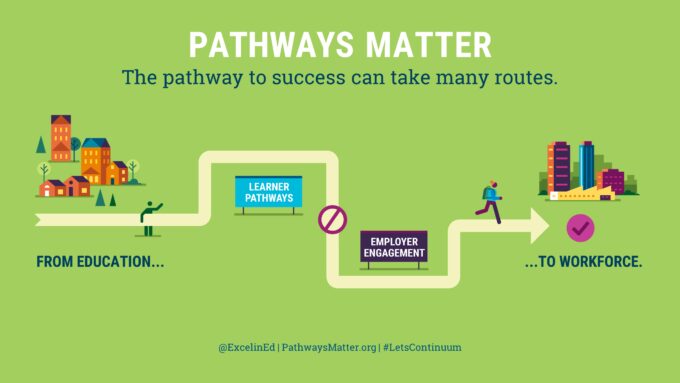
Source:excelined.org

The skills for education and employment programme focuses on foundational skills that directly connect to real workplaces. Unlike abstract learning, participants develop practical skills they can apply in the short term.

These pathways assist individuals to:

  • Develop reading, writing, and numeracy.
  • Acquire digital literacy in contemporary workplaces.
  • Communicate in work-related situations.
  • Learn the expectations and work culture.
  • Equip oneself for even more training or work.

The process of learning remains practical, contextual and relevant to daily life.

Learning to Earning: Pathways to Building Confidence

Skills are lost before confidence. Literate or language-deficient people often do not apply for jobs, attend interviews, or attend training, as prior experiences have discouraged them.

Education pathways restore confidence by:

  • Providing adult-centred learning conditions.
  • Enabling individuals to study at their own speed.
  • It is better to be moving forward than striving for perfection.
  • Linking learning with work objectives.

“Job readiness doesn’t begin with a resume. It begins when people believe they are capable of learning and contributing again.”

That belief changes outcomes.

The Measurable Impact of Skills-Based Pathways

Source:linkedin.com

Multiple studies show that adults with stronger foundational skills — especially literacy, numeracy, and digital ability — are more likely to find and keep work, earn higher wages, and stay active in the labour market. Weak foundational skills are linked with disadvantage in accessing quality employment, while improvements in these areas are tied to better job prospects and participation.

Programs like the Australian Government’s Skills for Education and Employment give people structured, practical training in the skills employers look for — and evidence suggests this does make a difference. Improving these core skills supports workforce participation and better long-term employability by helping individuals communicate, use technology, and meet workplace expectations.

When people gain the foundational skills employers expect, research and government reporting both show that employment opportunities expand and workforce engagement grows.

Research consistently shows that improving foundational skills improves employment outcomes.

According to the Australian Government, adults who improve literacy, numeracy, or digital skills through structured programs demonstrate higher workforce participation and stronger long-term employability.

When people gain the skills employers expect, opportunity follows.

How Pathways Support Diverse Learners

Education pathways don’t assume everyone starts from the same place. They adapt to different life experiences and learning needs.

Participants may include:

  • Adults returning to work after long breaks
  • Migrants strengthening workplace communication
  • People changing industries
  • Parents re-entering the workforce
  • Individuals preparing for vocational training

The skills for education and employment program supports this diversity by adjusting learning approaches without lowering expectations.

What Makes These Pathways Effective

Not all training leads to employment. Programs succeed when they align learning with tangible outcomes.

Job-Readiness Focus How Pathways Support It
Communication Practical workplace language
Digital skills Everyday technology use
Confidence Supported, adult-friendly learning
Work habits Punctuality, teamwork, reliability
Next steps Clear links to training or jobs

This structure turns learning into momentum.

The Link Between Language, Literacy, and Employment

Strong communication skills sit at the centre of employability. Reading instructions, writing emails, completing forms, and speaking confidently all affect workplace performance.

The Australian Government notes that improved English and literacy skills support better employment outcomes, stronger social participation, and smoother transitions into training or work.

When education pathways integrate language and literacy development, they remove one of the most common barriers to work.

Why Employers Benefit Too

Source: dallascityoflearning.org

Education pathways don’t just support individuals, they strengthen the workforce and create value for employers by helping people enter roles with the skills needed to perform well from day one. When workers have solid literacy, communication, and digital skills, companies see clearer teamwork, smoother processes and often less time and money spent on basic training. Training and skill development are linked with increased productivity and better performance overall.

Employers benefit from:

  • Job-ready candidates: Workers with practical foundational skills can start contributing sooner.
  • Reduced onboarding time: Fewer delays in training means faster integration into teams.
  • Stronger communication: Clearer communication improves collaboration and reduces errors.
  • Safer work environments: Employees who understand instructions and safety information help lower risk.
  • Better retention and morale: Skill development fosters confidence and engagement, reducing turnover and strengthening workplace culture.

Education as a Bridge, Not a Detour

For many Australians, education pathways don’t delay employment; they enable it. They provide a bridge between where someone is and where they want to be.

The skills for education and employment program supports that transition by focusing on readiness rather than remediation. It respects adult learners while equipping them with tools to succeed.

Final Thought

Source: joinleland.com

Becoming job-ready doesn’t require starting over. It requires the right pathway.

When Australians access education that builds foundational skills, confidence, and direction, they don’t just become employable; they become resilient, adaptable, and future-ready.

The skills for education and employment program proves that with the proper support, people don’t just find jobs. They rebuild momentum and move forward with purpose.

What VIP Transport Really Feels Like Before You Even Step Inside

0

Most people assume VIP transport is about the car itself. Leather seats, tinted windows, a recognizable badge on the hood. Yet surveys in hospitality consistently show that perceived luxury is driven less by objects and more by how predictable, calm, and friction-free an experience feels. That idea fits chauffeur services perfectly. The difference between an ordinary ride and a truly premium one often reveals itself in moments so small they are easy to miss until they are missing.

This guide looks past surface-level impressions and focuses on the subtle elements that shape the experience. If you have ever wondered why some chauffeur services feel worth booking again while others fade into the background, the answer usually lives in these details.

The First Impression Happens Earlier Than You Think

Long before a car pulls up, the experience has already started. A well-run chauffeur service understands that trust is built in advance, not during the ride itself. Clear communication, confirmation details, and accurate timing create a sense of control for the passenger.

In cities with complex traffic patterns and tight schedules, when booking a Manchester chauffeur for business travel or airport transfers, these early signals matter even more. Knowing the driver understands local routes, peak congestion hours, and alternative paths removes a layer of stress that passengers rarely articulate but always feel.

Key early indicators that shape confidence include:

  • Prompt booking confirmation with clear pickup details
  • Realistic arrival windows rather than vague timing
  • Proactive updates if traffic or conditions change

When these basics are handled smoothly, the ride begins with reassurance instead of uncertainty.

Why Arrival Timing Feels Different in Chauffeur Transport

Punctuality is expected in any professional service, but in VIP transport it carries a different weight. Arriving early is not about impatience, and arriving late is not just inconvenient. Both disrupt the emotional rhythm of the passenger.

A skilled chauffeur arrives at the right moment. Not hovering too early, not rushing in at the last second. This sense of timing reflects experience and situational awareness rather than strict rule-following. It allows passengers to transition calmly from one environment to another.

Good timing typically shows up as:

  • The vehicle positioned discreetly without blocking entrances
  • The chauffeur ready but not intrusive
  • Doors opened with awareness of surroundings and weather

These gestures may seem minor, yet they create a sense that the service is tuned to the passenger, not the clock alone.

Inside the Vehicle: Quiet Comfort Over Flashy Luxury

Once inside, true VIP transport feels calm rather than theatrical. Loud branding, overwhelming lighting, or excessive features can distract rather than impress. Passengers who book chauffeur services usually value mental space as much as physical comfort.

The interior experience is shaped by restraint. Climate settings that feel neutral, lighting that adapts to time of day, and a clean cabin free from unnecessary scent all contribute to comfort without drawing attention to themselves.

Common interior touches that elevate the ride include:

  • Thoughtfully adjusted temperature before entry
  • Clean seating without visible wear or clutter
  • Silence offered by default, with conversation following the passenger’s lead

This balance allows the car to feel like an extension of personal space rather than a showpiece.

The Chauffeur’s Awareness Shapes the Entire Journey

Driving skill matters, but awareness matters more. A professional chauffeur reads the passenger’s energy quickly. Some guests want conversation, others want quiet, and many want flexibility between the two. The ability to sense this without asking directly is one of the clearest markers of experience.

Awareness also extends to driving style. Smooth acceleration, gentle braking, and predictable lane changes communicate safety and respect. The goal is not speed but flow.

Experienced chauffeurs consistently demonstrate:

  • Anticipation of traffic patterns rather than reactive driving
  • Adjustments to pace based on passenger comfort
  • Discretion in both conversation and personal questions

These behaviors build trust and allow passengers to relax fully during the journey.

How Small Courtesies Add Up Over Time

Luxury is rarely a single moment. It is cumulative. Small courtesies layered throughout the ride create an overall sense of care. None of these gestures are dramatic on their own, but together they change how the service feels.

These touches often include:

  • Assistance with doors and luggage without being asked
  • Offering water without interrupting the passenger’s focus
  • Confirming destination preferences subtly rather than repeatedly

Each courtesy removes a decision or effort from the passenger. Over time, that reduction in mental load is what makes a chauffeur service feel genuinely premium.

Consistency Matters More Than Perfection

One flawless ride can be impressive. Consistent quality across multiple bookings is what defines a service worth returning to. VIP transport clients often travel frequently and rely on predictability rather than novelty.

Consistency shows up in vehicle condition, driver professionalism, and communication standards. A service that feels excellent one day and merely acceptable the next loses credibility, even if individual rides are technically fine.

A reliable chauffeur service typically maintains:

  • Uniform standards across its fleet
  • Clear internal protocols for drivers
  • Familiar booking and pickup processes each time

This repetition builds comfort and reduces the cognitive effort required to book and ride again.

When Professional Distance Feels Like a Courtesy

Many people misunderstand hospitality as constant engagement. In VIP transport, respectful distance often feels more luxurious than friendliness alone. Passengers may be heading into high-pressure meetings, private events, or long flights.

Professional distance means being present without being intrusive. It allows passengers to prepare mentally, rest, or work without interruption. This restraint reflects confidence in the service rather than a lack of warmth.

In premium transport, attentiveness is defined by responsiveness, not visibility.

This approach respects the passenger’s time and mental state, reinforcing the sense of being cared for without being managed.

The Difference You Notice After the Ride Ends

One of the clearest signs of quality is how the experience lingers after it is over. A good chauffeur service leaves passengers feeling settled rather than rushed. There is no awkward ending, no confusion about drop-off points, and no lingering tasks left undone.

The closing moments often include:

  • Smooth arrival positioning close to the destination entrance
  • Calm assistance with belongings
  • A courteous farewell that feels natural, not scripted

These final touches shape the memory of the journey. Long after the car has driven away, the sense of ease remains.

Choosing a Chauffeur Service Based on Experience, Not Claims

Marketing language often focuses on fleet size, luxury brands, or years in operation. While those factors matter, they rarely predict how the ride will actually feel. Experience quality comes from systems, training, and culture rather than slogans.

When evaluating services, pay attention to how clearly expectations are set and how questions are answered. Transparency and calm communication often signal a service that values consistency and passenger comfort.

Rather than chasing the most extravagant option, look for signs of thoughtful operation. These are the services that quietly deliver value ride after ride.

Why the Small Touches Ultimately Matter Most

VIP transport earns its reputation through details that rarely appear in advertisements. It feels different because it reduces friction, respects time, and adapts to individual needs without constant explanation.

When done well, a chauffeur service becomes more than transportation. It becomes a controlled environment where passengers can think, rest, or transition between responsibilities with ease.

That feeling does not come from luxury alone. It comes from care, awareness, and consistency. Once you experience that level of service, it becomes clear why the small touches are exactly what make a chauffeur service worth booking again.

From Idea to Impact: How Digital Products Succeed in Competitive Markets

0
Female UX Architect Has Discussion with Male Design Engineer, Th

Thousands of digital products launch every single day. Apps pile up in stores like dishes in a sink. Software platforms multiply faster than rabbits. Most disappear within weeks, forgotten and uninstalled. But a handful stick around and actually change things.

Finding Your Corner of the Market

Digital Products
Source: salesforce.com

Digital products that last don’t chase everyone with a smartphone. They zero in on specific people with specific problems. Going broad feels safe. Cast a wide net, catch more fish, right? No. Wide nets catch nothing but seaweed. Meanwhile, the fishing pole aimed at one spot lands the big one. Focused products attract die-hard fans who won’t shut up about how great you are. That’s free advertising money can’t buy.

Skip the guesswork. Lurk on online forums where your future users vent. Scroll through their angry reviews of competitors. Watch what makes them rage-quit current solutions. Their pain points? That’s your roadmap. Their complaints become your selling points.

Speed and Quality: The Balancing Act

Digital markets move like highway traffic; blink and you’ll miss your exit. Wait too long perfecting every pixel and three competitors launch before you. Release a buggy product too soon, and your reputation is ruined. The key is finding the point where “good enough” meets “ready.”

Smart teams prioritize lean versions initially. Just the basics. Only enough to address the main issue, nothing more. This stripped-down approach to app development helps teams gather real feedback fast. The team at Goji Labs has mastered this by launching products that grow based on what users actually do. Not what designers think they’ll do.

After launch? That’s when things get interesting. Updates roll out based on what users scream for, not what looked cool in mockups. Fix what breaks. Add what’s missing. Skip what nobody notices. Each update makes the product tougher, smarter, and better.

Marketing That Connects

Brilliant products tank all the time because nobody knows they exist. That old line about great products selling themselves? Total nonsense. Even the best stuff needs a megaphone. Avoid a grocery receipt-style list of features. Your tech skills don’t impress anyone. Show them their Tuesday morning getting easier. Show them finally beating that level, closing that deal, or organizing that mess. Make them see themselves winning because of what you built.

Nothing beats regular people saying “this thing rocks” to their friends. One genuine Instagram story from a happy user crushes a dozen Facebook ads. So make sharing brain-dead simple. Throw in perks for bringing friends aboard. Give people moments they can’t wait to screenshot. Authentic excitement spreads like gossip – fast and unstoppable.

Building for the Long Game

Quick wins feel great but burn out fast. Teams get high on download spikes, viral tweets, and trending hashtags. Then the next quarter rolls around, and they’re scrambling again. Real success plays out over years, not weeks. Users will ask for crazy stuff. They’ll want features that nobody can understand. Politely thank them, then disregard much of it. Focus on your goal. Include elements that reinforce your core purpose. Ditch anything that muddles it.

Growth breaks things. Something that works for a small group could break at a larger scale. New phones can run code smoothly, but older ones might struggle. Spending more now to prepare avoids trouble down the line.

Execution Is Where Most Products Die

Ideas get too much credit. Execution gets blamed when things fail, but rarely studied when things work. In practice, execution is a daily grind of small, unglamorous decisions that compound over time. What gets built first. What gets postponed. What gets deleted without ceremony.

Strong teams build habits around execution. They ship on a rhythm users can rely on. They review mistakes without panic. They treat broken flows as signals, not embarrassments. Over time, this creates a product that feels steady, even when it is still evolving.

Execution also means finishing things. Half-built features confuse users more than missing ones. A shorter list of complete, reliable actions beats a long menu of fragile options every time.

Designing for Humans, Not Demos

Source:cheggindia.com

A product that looks great in a demo can still be exhausting in daily use. Real users are distracted, tired, and impatient. They don’t want to “learn a system.” They want to get through a task and move on with their day.

Design decisions should respect that reality. Fewer choices often lead to better outcomes. Clear defaults reduce anxiety. Obvious next steps prevent drop-off.

Good human-centered design usually shows up as:

  • Short paths to first success
  • Interfaces that explain themselves without tutorials
  • Errors that feel recoverable instead of punishing

When a product feels considerate, users relax. Relaxed users stay.

Competition Is Inevitable, Differentiation Is a Choice

At some point, competitors will copy features. That’s unavoidable. What they can’t easily copy is perspective. The way you frame the problem. The assumptions you make about users. The trade-offs you’re willing to accept.

Trying to out-feature competitors often leads to bloated products that forget who they’re for. Choosing to stay focused can feel risky, especially when rivals add flashy capabilities. But clarity ages better than excess.

Differentiation lives in what you refuse to build as much as what you do.

Momentum Comes From Trust, Not Hype

Hype spikes attention. Trust sustains momentum. Users return when they believe a product will behave predictably, respect their time, and improve without breaking what already works.

This trust is earned quietly:

  • Through stable updates
  • Through honest communication when things go wrong
  • Through restraint when growth tempts shortcuts

Over time, trust becomes a growth engine of its own.

Conclusion

Source: digitaldealer.com

Success in digital markets follows rules, not luck. Choose your people wisely. Ship fast without shipping trash. Tell stories that stick. Think past next week’s numbers. The market doesn’t need another average product doing average things for average people. It needs solutions to problems that actually annoy actual humans. Build that, and they’ll find you. Build it well, and they’ll stay forever.

Sync Your Trading Strategies Effortlessly in the Cloud

0
Source: blog.afterpullback.com

In contemporary trading, execution speed represents merely a portion of the overall narrative. The remaining aspect is unwavering consistency. Numerous traders do not face challenges due to a deficiency of concepts.

They encounter difficulties as their execution becomes disjointed the instant they engage in trading across various accounts, brokers, or platforms.

A strategy that appears straightforward in theory can quickly become convoluted in practice, especially when faced with the need to repeatedly input the same order, oversee multiple terminals, and maintain coherence as the market fluctuates.

The purpose of cloud-based trade copier software is to eliminate that friction entirely.

A cloud trade copier can seamlessly replicate your trades across multiple accounts in real time, ensuring your strategy remains perfectly aligned while minimizing the risk of operational errors.

When the objective is to implement a strategy rather than struggle with your tools, this form of automation offers a significant advantage.

This article transforms your original blog into a comprehensive, SEO-optimized, answer-engine-friendly guide that delves into the intricacies of cloud-based trade copiers, detailing their functionality, the reasons traders utilize them, the risks they do not mitigate, and the criteria for assessing a solution prior to commitment.

What cloud-based trade copier software actually is

Source: wallstreetzen.com

Cloud-based trade copier software is a sophisticated system designed to replicate trades from a “source” account to multiple “destination” accounts. The fundamental concept is straightforward: you execute a trade once, and the software seamlessly replicates that trade across all linked accounts without any manual intervention.

In previous configurations, duplication frequently occurred on-site. This involved executing terminals on a single device, utilizing scripts, or managing a VPS configuration that remained operational around the clock.

Cloud-based syncing employs a distinct methodology. Instead of relying on a single machine for stability and connectivity, the synchronization logic is managed via cloud infrastructure, enabling trades to be mirrored across accounts, even when those accounts are with various brokers.

For traders utilizing a service such as https://tradesyncer.com/ (an illustration of a cloud-based trade copier provider), the attraction is clear: minimize the manual effort while maintaining consistent strategy execution.

How it works in practical terms

Source: resilio.com

Many cloud trade copiers operate under a comparable workflow, despite variations in their interfaces.

Begin by linking your trading accounts. One account is generally designated as the “master” or “leader,” while the remaining accounts assume the role of “followers.” Upon opening, modifying, or closing a trade on the master account, the copier identifies this action andinitiates corresponding actions on the follower accounts.

The specifics are crucial in this context. Trade copying involves more than merely aligning with the same direction. It involves meticulously determining position size, addressing various contract specifications, translating symbols when brokers employ distinct naming conventions, and effectively managing partial fills or slippage.

An effective copier is designed to consistently achieve the following objectives:

It replicates entries and exits with sufficient speed to ensure that the copied trades stay significantly in sync with the original strategy. It maintains a uniform risk exposure across accounts by employing sizing rules like fixed lot, proportional lot scaling, or balance-based scaling.

It upholds strict adherence when directives are altered, stop-loss thresholds are recalibrated, or positions are fractionally liquidated.

It meticulously records activity, enabling a thorough audit in the event of any discrepancies.

Cloud-based systems cater to traders seeking seamless mechanics managed in the background, eliminating the need to construct an intricate technical stack independently.

Why traders adopt cloud-based synchronization

The primary reason transcends mere “convenience” in a superficial context. It pertains to the management of operational risks.

Manual duplication is prone to errors. In a rapidly evolving market, even a minor delay or a single erroneous order can lead to a significant divergence from the intended strategy of an account. As time progresses, that drift can lead to distorted results, misrepresent performance tracking, and generate misleading conclusions regarding what is effective.

Cloud synchronization minimizes the complexities that frequently contribute to these issues.

Efficiency that translates into better decision-making

Source: tradingfxvps.com

When you are not occupied with order duplication, you can concentrate on more significant tasks. This typically involves enhancing your methodology: assessing execution quality, monitoring spreads, managing news-related risks, and fine-tuning entries and exits. Time savings extend beyond mere convenience. Their influence on the caliber of your decisions is profound.

Consistency across accounts and brokers

Multi-account trading frequently encounters challenges as accounts begin to diverge from a cohesive strategy. A copier ensures the preservation of a singular, definitive reference point. Upon executing a single action, the remaining accounts adhere to the same principle. This consistency holds significant importance when assessing a strategy’s actual performance over extended periods, such as weeks or months.

Access from anywhere without rebuilding your setup

The cloud-based model is engineered for adaptability. Engage in trading from a primary workstation, oversee activities via a laptop during travel, or monitor execution through your mobile device. The objective is not to promote incessant adjustments. The objective is to guarantee that your core system remains independent of a single vulnerable local environment.

Multi-broker integration as a practical advantage

A significant number of traders choose to diversify their broker relationships rather than depending on a single source for all their needs. Various brokers may be utilized based on factors such as spreads, liquidity, account types, or operational considerations.

A copier that accommodates multiple brokers enables you to synchronize the same strategy across various environments seamlessly, eliminating the need to manage each broker as an independent manual workflow.

Real-time copying does not remove trading risk

It is crucial to articulate this precisely, as numerous articles tend to exaggerate the capabilities of automation.

A trade copier does not ensure a strategy’s profitability. It does not eradicate drawdowns. It fails to safeguard against inadequate risk management. It effectively guarantees that your planned strategic actions are implemented with greater consistency across accounts.

Even with the most sophisticated copier, variations can still arise due to:

  • Latency in execution between brokers
  • Disparities in spreads upon entry
  • Market order slippage
  • Various symbol specifications or contract sizes
  • Variations in leverage and margin prerequisites

Consequently, it is essential to develop a strategy that incorporates prudent risk management and achievable expectations. Automation serves as a sophisticated instrument. It enhances and elevates any existing process you possess.

Where cloud trade copiers are most useful

Source: vecteezy.com

Trade copiers are not only for one type of trader. The application scenarios typically align with several prevalent patterns.

When engaging in the intentional trading of multiple accounts, whether for the purpose of delineating risk categories, overseeing diverse portfolios, or implementing various strategies, utilizing a copying mechanism can ensure cohesive execution while maintaining distinct account separation.

Collaborating with various brokers can streamline operations and minimize the errors associated with switching between platforms.

To evaluate the same strategy across varying conditions, like diverse spreads or execution models, trade copying can ensure consistent entries, resulting in a more refined test.

For those overseeing trades for a team, a select group, or various personal accounts, a copier can streamline the intricacies of managing execution across individuals and platforms.

Cloud-based versus local copying: what changes

Local copying typically relies on the stability, connectivity, and proper configuration of your device or VPS. Should the machine become non-operational, the copying process ceases. If a terminal crashes, copying can fail silently. Should the script or plugin malfunction following an update, you might remain unaware until your accounts begin to diverge.

Cloud-based systems strive to minimize reliance on an individual machine. Although specific platform connections may be necessary based on the broker and platform, the overall system architecture generally emphasizes reliability, continuity, and centralized management.

In practice, the distinction frequently hinges on two elements: resilience and simplicity.
An effective setup is one that maintains operation despite typical disruptions.

An efficient setup is one that allows you to manage it seamlessly without the need to assume the role of your own IT department.

For numerous traders, cloud-based copying is appealing as it shifts the technical responsibilities from the trader to the product infrastructure.

Security and compliance: what matters in the real world

Source: hypersecure.in

Any tool that engages with trading accounts demands meticulous consideration of security measures. The objective is to critically evaluate “security claims” rather than accepting them at face value. The objective is to comprehend the existing safeguards and determine what needs to be verified.

Traders must prioritize robust account access controls, reliable authentication methods, and comprehensive documentation detailing the management of connections. Numerous platforms highlight the importance of encryption and secure data management; however, the pragmatic approach is to verify what is genuinely supported and the methods of its implementation.

Compliance holds significant importance. Regulations differ across countries, broker policies fluctuate by region, and what is deemed acceptable in one context may not hold true in another. A prudent strategy is to regard trade copying as a fundamental component, rather than a mere solution. Verify that your broker’s terms permit your activities, and confirm that your usage is in accordance with the regulatory framework applicable in your locality.

This does not justify the avoidance of tools. There exists a compelling rationale for their professional application.

What to evaluate before choosing a trade copier

Given that the fundamental assurances appear comparable among providers, the choice should emphasize specifics that influence results.

Begin with dependability. When the copier fails to execute trades or produces inconsistent copies amid volatility, it transforms into a hindrance instead of a benefit.

Subsequently, assess the latency and execution dynamics. In rapidly evolving markets, even minor delays can have significant consequences. You are not seeking flawlessness. You seek consistent performance and clear documentation of actions.

Next, analyze the mechanisms of sizing and risk scaling. An effective copier must enable you to establish sizing logic that aligns with your risk strategy. Failure to manage the scaling of lots across accounts may lead to unforeseen exposure risks.

Additionally, verify the compatibility of the broker and platform. Multi-broker integration holds significance only when it operates seamlessly with your particular brokers and account types.

Ultimately, assess the capacity for auditability. The most effective operational tools facilitate a clear understanding of a singular inquiry: “What precisely occurred and what were the underlying reasons?” Comprehensive logs, precise alerts, and detailed trade mapping eliminate ambiguity during critical situations.

Setup mindset: how to implement without chaos

Even high-quality tools can lead to complications if they are configured without due diligence. The approach to implementation ought to be methodical and carefully orchestrated.

Start with a limited trial. Establish a connection between a primary entity and a secondary entity, and analyze their interactions across various market scenarios, encompassing standard operations and periods of heightened volatility. Verify that entries, exits, stop-loss modifications, and partial closures function as anticipated.

Subsequently, verify the accuracy of symbol mapping and the logic behind sizing. Ensure that your perception of “the same trade” aligns with the actual trade across different brokers.

Upon achieving stability in the behavior, proceed to extend to further accounts. Approach scaling with the same careful consideration as you would when managing scaling risk: methodically, purposefully, and backed by evidence.

This is also where meticulous risk management plays a crucial role. A copier can reproduce errors with the same precision as it does successful outcomes. If your stop-loss policy lacks consistency, the copier will diligently propagate that inconsistency throughout the accounts.

FAQs

What is a cloud trade copier?

A cloud trade copier is a sophisticated software solution that seamlessly replicates trades from one trading account to multiple others in real time, leveraging cloud-based synchronization instead of relying on manual trade duplication.

Does a trade copier guarantee profits?

No. It solely facilitates the replication of execution across accounts. Profitability remains contingent upon the strategic approach, risk management practices, and prevailing market conditions.

Can I copy trades across different brokers?

A variety of cloud-based trade copiers are designed to facilitate multi-broker copying; however, their compatibility is contingent upon the brokers and platforms in use.

What is the biggest benefit of using a trade copier?

Consistency. It minimizes manual effort and the potential for human mistakes, ensuring that various accounts remain synchronized with a unified strategy.

What risks still remain with copying trades?

Variations in execution may still arise from factors such as latency, slippage, spreads, margin regulations, and discrepancies between platforms. A copier enhances consistency; however, it does not eradicate market and execution risk.

A serious tool for serious execution

Cloud-based trade copier software represents a sophisticated solution rather than a mere trend. This approach effectively addresses a significant operational challenge: the intricate and error-prone task of implementing a uniform strategy across various accounts and brokers.

When your trading strategy encompasses multiple accounts, automation enables a transition from “manual coordination” to “system execution.” The significance of that shift frequently surpasses expectations, as consistent execution serves as the cornerstone for achieving reliable results, regardless of whether those results are favorable or unfavorable.

When utilized with care, a trade copier can enhance your trading experience by minimizing friction, reducing errors, and providing greater oversight on the implementation of your strategy across various accounts. It is essential to approach it as a foundational element, ensure thorough validation, and maintain control over your risk management strategies.

Tiny House Delivery And Setup Costs Explained: What You Pay For And Why It Helps

0
Source: homeguide.com

Did you know that most prospective tiny home buyers underestimate the real cost of moving in by as much as 30 percent?

It’s true—while the purchase price of a tiny home often grabs headlines, the hidden line items like delivery and on-site setup can quietly inflate your budget.

According to industry averages, tiny homes in the United States typically range from about $30,000 to $60,000, depending on size and finishes.

Understanding delivery and setup isn’t just about avoiding surprises.

Those expenses are tied to real, practical needs: transporting a structure that can be oversize, preparing the land, connecting utilities, and anchoring the home safely.

Instead of glossing over this, we’re going to break it down into clear pieces so that you know exactly what you’re really paying for—and why each part matters.

What You’re Actually Buying With Delivery And Setup Fees

Many buyers focus on square footage and exterior design, but transporting a tiny home is a technical task. If you’re building or buying from a manufacturer or builder, part of the budget must cover logistics.

Many enthusiasts and buyers learn about tiny houses from communities and guides like Nomad Adjacent.

Beyond the charming lifestyle imagery, those sites also remind us that moving a home isn’t like shipping a sofa.

Here’s the reality:

  • A tiny home is often an oversize load that requires special transport equipment.
  • Depending on distance from the factory to your property, the cost per mile goes up fast.
  • Preparation on your land—grading, clearing, making a driveway—can add up before a truck ever arrives.

These aren’t arbitrary bills. They reflect people and machines doing specialized work to get your home to sit perfectly on your site.

Why Delivery Can Be One Of The Biggest Surprises

Consider what delivery actually involves:

  • Transport logistics — oversized haulers, escort vehicles, weight permits
  • Distance charges — a per-mile cost tied to fuel, driver time, and equipment
  • Handling fees — equipment to lift a home or off-load it into place
  • Local permit fees — required for oversized loads on public roads

Each of these ticks up the meter—and many buyers forget to budget for them until they receive an invoice.

This is why it’s essential to define delivery clearly in any quote you get from a builder.

Breaking Down Typical Delivery Costs: A Table For Clarity

It helps to see typical figures side by side. Below is a ballpark snapshot of delivery expenses across common scenarios.

Delivery Element Typical Range (USD) Notes
Base delivery fee $1,000 – $2,500+ Minimum travel fee
Long-distance transport $2,000 – $6,000 Per mile beyond local radius
Specialized permits/escorts $300 – $1,200+ Varies by state/region
Off-loading equipment $500 – $1,500+ Crane, forklift, rigging

These figures are broad estimates based on industry norms and delivery calculators provided by tiny home manufacturers.

Underneath the table: delivery isn’t optional labor—it’s a complex logistics service that requires planning and compliance with federal and local transport rules.

Setup Costs: What Happens After Your Tiny Home Arrives

Source: southernliving.com

Once the tiny home lands on your property, the delivery team doesn’t just wave goodbye. They begin the setup phase, which is just as detailed as transport.

What Setup Covers

Setup charges cover all the work needed to make your tiny home functional and safe on its plot of land:

  • Site preparation — leveling, foundation, gravel pads
  • Anchoring and stabilization — so your home doesn’t shift
  • Utility hookups — water, sewer, electric, possibly gas
  • Final adjustments — stairs, skirting, external finishes

These steps add real value: they transform a transported structure into a place you can truly live.

Fact: Tiny homes on wheels may cost less to set up initially because they don’t require a traditional foundation, but they usually still need leveling supports and skirting to protect from weather and pests.

This subtle difference can alter your overall budget significantly.

A concrete pad or foundation may run several thousand dollars itself, but it improves structural stability and resale value.

Breaking Down Setup Costs: Numbers And Realities

Setup cost brackets can vary widely based on how developed your site already is—whether utilities are at your property line, how flat the land is, and whether you need grading or clearing. Here’s a realistic breakdown:

  • Site Prep (grading, clearing): $1,000 – $4,000
  • Foundation or supports: $2,000 – $8,000
  • Utility Hookups: $1,500 – $10,000
  • Exterior finishing (steps, skirting): $500 – $3,000

The total often adds up to $5,000 – $15,000 or more—close in range to what some manufactured and modular home setups cost.

Utility Costs Vary More Than You Think

Utility access is often where budgets expand fastest because inexpensive hookups assume utilities are already nearby.

If your property is remote or lacks access lines, this part of the bill can easily double.

How Location And Distance Affect Your Final Bill

Not all tiny home sites are created equal. Distance from the manufacturer’s base plays a big role in delivery fees and relates directly to cost per mile, fuel pricing, and travel time.

Likewise, some areas have extra requirements:

  • Local permits for oversized loads
  • Time-of-day restrictions for transport
  • Roadway size limits requiring alternate routes

Understanding these potential hurdles before you sign any contracts is crucial for budgeting effectively.

Ways To Reduce Delivery And Setup Costs

Source: wildabundance.net

If all this sounds expensive, here are some strategies that people commonly use to manage or reduce those expenses:

  • Choose a builder closer to your site
  • Prepare your site in advance with a local contractor
  • Bundle transport and setup services with a single vendor
  • Negotiate delivery radius in your contract
  • Plan utility access early with local utility companies

While not every cost is avoidable, transparency in quotes makes it easier to plan and avoid surprises.

Why Understanding These Costs Saves You Money

Tiny homes are appealing because of their simplicity and often lower purchase price compared to traditional housing. But that doesn’t mean they come with simple costs.

Delivery and setup are substantial steps in turning a transported building into your new home.

When you know what you’re paying for and why, you make smarter decisions.

Transparent quotes, site planning, and clear expectations will keep your tiny home project on-budget and on time.

Think of delivery and setup not as extra fees, but as essential investments that help your tiny house become a sturdy, connected, and livable home.

Frequently Asked Questions

Are delivery and setup the same thing?
No. Delivery refers to transporting the tiny home to your site. Setup includes site prep, anchor, utility hookups, and finishing touches.

Do I need a foundation for my tiny home?
It depends on whether your tiny home is on wheels or a permanent foundation. A foundation is more stable but adds cost.

Can I set up a tiny home myself?
Some parts of setup can be DIY, but specialized tasks like utility hookups and heavy equipment use are best left to professionals.

Is delivery always expensive?
Costs vary widely with distance, site accessibility, and local requirements. Shorter distances and easier access reduce fees.

Who pays for permits and utility access?
Typically the buyer, but always clarify in your contract with the builder or transporter.