

Dirt travels through Boston office buildings like an invisible tourist. It travels on footwear and drifts through ventilation systems. It clings to garments.
People rarely notice this journey until dirt piles up in weird spots. Understanding how dirt moves through buildings helps explain why some offices stay cleaner than others.
Most building occupants assume dirt arrives in dramatic bursts, but it actually accumulates in ways that are almost impossible to spot day to day.
A single person can track hundreds of thousands of microscopic particles into a lobby in a single morning.
Multiply that by the hundreds of people who pass through a mid-size Boston office tower every workday, and the numbers become staggering.
Dirt is not really a housekeeping problem; it is a logistics problem, and every building has its own system for moving it around.
The Front Door Invasion
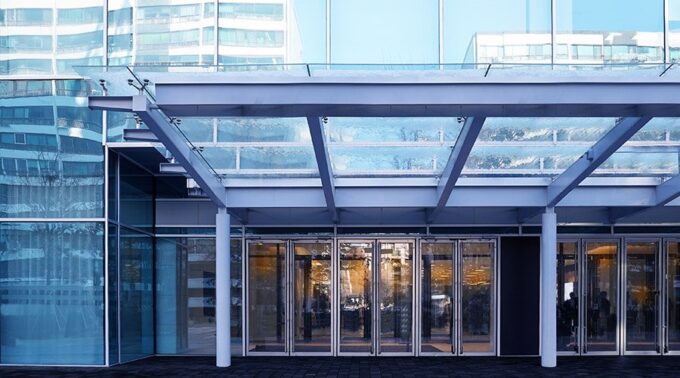
Every person entering a building brings unwanted guests. On average, shoes harbor approximately 421,000 units of bacteria, according to a widely cited University of Arizona study.
That morning walk through Boston Common? Those shoes now transport soil, pollen, and whatever else lived on the sidewalk.
The revolving door spins and spreads these particles across the lobby floor.
Wind makes everything worse. Boston’s breezes push dirt through door gaps. Even closed doors let particles slip through.
Automatic doors stay open longer, inviting dust clouds inside. Winter brings salt and sand. Spring delivers pollen. Summer carries construction dust.
Fall adds decomposing leaves to the mix. The lobby acts as a distribution center. Foot traffic grinds dirt into smaller pieces.
The small particles are released into the atmosphere. They drift towards elevators and stairwells, starting their ascent throughout the structure.
The first line of defense is the entrance itself. Walk-off matting systems capture a surprising amount of tracked-in material before it ever reaches the lobby floor.
A single square foot of a properly maintained mat can trap several pounds of dirt over the course of a year.
The problem is that many buildings install these mats and never clean them properly. Once a mat becomes saturated, it stops capturing dirt and starts releasing it back onto the floor with every step.
That is why the first few feet inside every door matter more than any other stretch of flooring in the building.
Elevator Shafts and Stairwell Highways
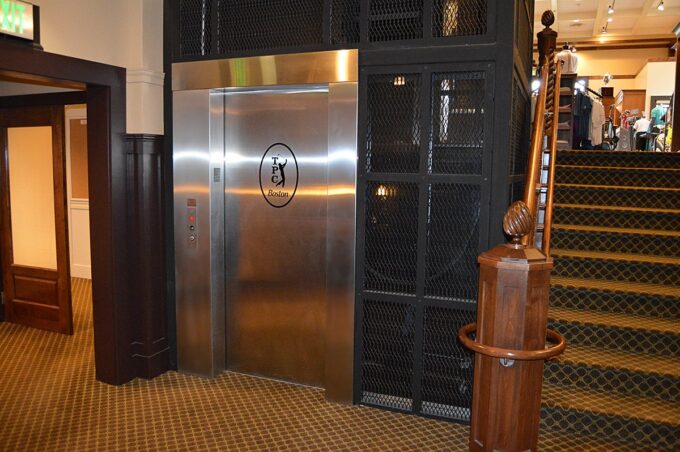
Elevators work like giant pumps. They push air up and down with every trip. This creates pressure changes that suck dirt from one floor and deposit it on another.
Particles too small to see ride these air currents everywhere. Stairwells form vertical wind tunnels. Hot air rises naturally. Door openings create drafts.
Dirt particles surf these air currents between floors. They settle on handrails, steps, and landings.
Every footstep kicks them back into circulation. Modern buildings make this worse. Sealed windows mean no natural ventilation.
All air movement happens through mechanical systems. These systems spread contamination faster than old buildings with drafty windows ever could.
Once dirt leaves the lobby, it does not disappear; it migrates.
A recent study of a New York City office building found high concentrations of bacteria on entryway floors, interior corridors, and carpets, with carpeted surfaces holding far more contamination than bare flooring.
Boston buildings follow the same pattern.
The material that enters at street level moves steadily deeper into the structure, carried by the same foot traffic that delivers people to their desks every morning.
HVAC Systems Spread Everything Everywhere
Heating and cooling systems connect every room. Air intake vents gulp dirty air from multiple sources. The system mixes everything together.
Then it blows this cocktail throughout the building. Conference rooms share air with bathrooms. Break rooms exchange particles with storage closets.
Filters catch some dirt but not all. Smaller particles slip through. They accumulate in ductwork. Every time the system cycles on, it disturbs these deposits.
Years of accumulated dust suddenly becomes airborne again. This explains why some offices get dusty immediately after cleaning.
Humidity changes make particles behave differently. Dry winter air lets dust float longer. The damp air in the summer causes particles to cling to surfaces.
Boston’s inconsistent weather causes dirt to act in unexpected ways all year long.
Building scientists have studied this problem for decades.
The Environmental Protection Agency’s research on large office buildings shows that indoor air quality depends heavily on how ventilation systems are designed, maintained, and operated.
When those systems are neglected, they can become sources of pollution rather than filters of it. EPA guidance for office buildings emphasizes that controlling pollutants at the source and keeping HVAC equipment well maintained are the two most effective strategies for keeping office air clean.
Where Dirt Loves to Hide
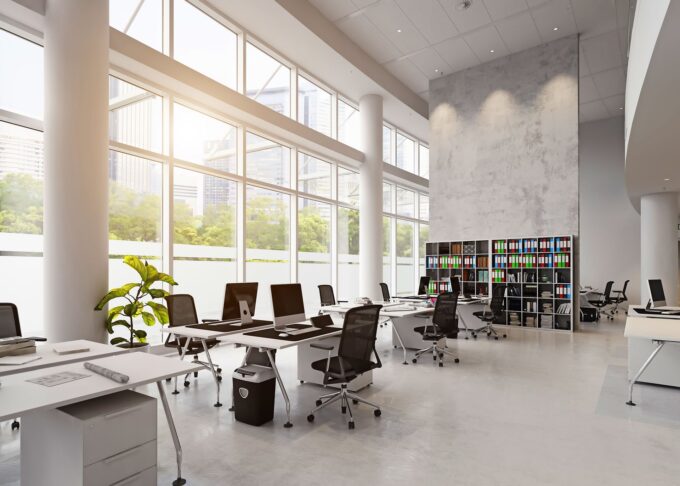
Some areas tend to accumulate a lot of dirt. Crumbs and skin cells can get stuck under the keys of computer keyboards.
Phone receivers collect makeup and oils. Door handles gather germs from hundreds of hands. The bowls of the light fixtures serve as dust collectors.
The fibers of carpets tend to trap dirt. These particles are released back into the atmosphere when you walk. Office chairs accumulate skin cells and fabric fibers.
Copy machines generate paper dust. Printers release toner particles. All these sources contribute to the building’s dirt ecosystem.
Professional office cleaning services understand these accumulation patterns.
All Pro Cleaning Systems trains its teams to target these hidden dirt highways, using specialized techniques that interrupt contamination cycles and prevent dirt from spreading throughout Boston office buildings.
Breaking the Cycle
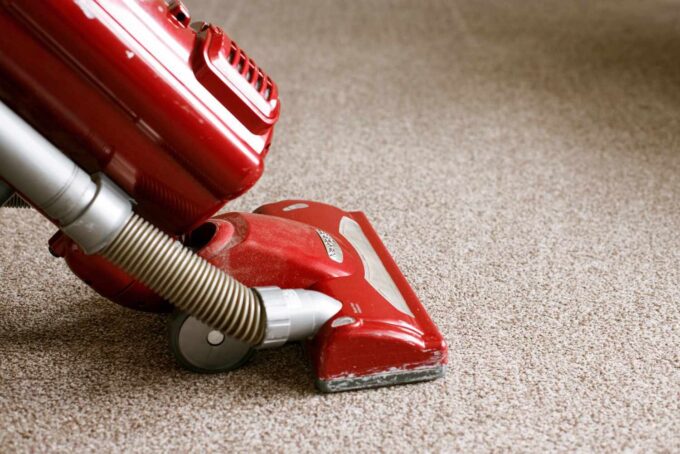
Effective commercial cleaning is not about making surfaces look good; it is about interrupting the dirt ecosystem at the right points.
Vacuuming carpets before particles get ground deeper into the fibers, damp-mopping hard floors instead of dry-sweeping them, wiping the high-touch surfaces that bridge the gap between people and particles, and changing HVAC filters on schedule all slow the journey of dirt through a building.
Timing matters just as much as technique. Cleaning when the building is empty prevents redistributing dust into occupied air. Working from the entrance outward follows the path that dirt actually takes. Done well, this approach keeps the contamination cycle from ever really getting started.
Conclusion
Dirt never stops moving through office buildings. It gets in through doors, takes the elevator, travels through the air, and hides everywhere.
Buildings that understand this journey implement better entrance systems, maintain HVAC equipment properly, and clean strategically.
The battle against dirt never ends but knowing how it travels makes the fight winnable.
Facility managers who take the time to map where dirt enters, how it moves, and where it settles gain a real advantage.
They install proper walk-off matting, schedule regular HVAC maintenance, and work with cleaning teams that understand the whole system rather than just the visible surfaces.
For anyone responsible for a Boston office building, the takeaway is simple: you cannot stop dirt from entering, but you can control how far it travels.