

Retail loyalty programs have evolved from basic point systems into data-driven ecosystems that predict customer behavior, personalize engagement, and improve retention.
The short answer is that data analytics allows brands to see why customers stay, when they churn, and what motivates repeat purchases.
Modern loyalty programs are no longer about discounts; they are about understanding value through measurable, predictive insights.
From Transactions to Behavior-Based Loyalty
Traditional loyalty programs rewarded customers for the number of purchases or accumulated points. That model worked when retail operated on linear sales logic: product sold, points earned, reward redeemed. Data analytics shifted that model toward behavioral understanding. Now, loyalty is measured in engagement, cross-channel interaction, and emotional connection to the brand.
Retailers track dozens of metrics: frequency of visits, basket size, dwell time, response to promotions, and product affinities. When this data is centralized, brands can identify segments like “price-sensitive families,” “brand advocates,” or “occasional luxury buyers.” Each segment receives tailored communication and offers that match behavior rather than a generic sales pitch.
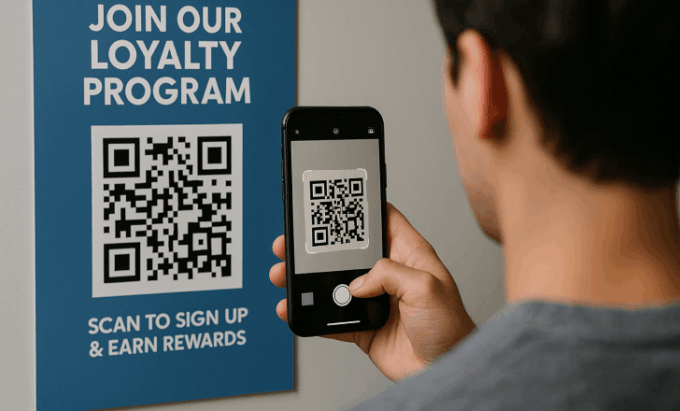
How Data Builds Loyalty Infrastructure
Retailers integrate customer relationship management (CRM) systems, online sales data, and social media analytics to unify a single customer view. This enables dynamic loyalty scoring rather than static reward tiers. For example, a shopper who shares product reviews or engages on social channels can earn non-monetary recognition, such as early access to collections. That form of status builds brand attachment without eroding profit margins.
Predictive analytics plays an even deeper role. Algorithms detect early signs of chur n,such as longer gaps between purchas es,and trigger automated retention actions. Personalized re-engagement emails or app notifications target these users before loyalty weakens. Over time, this reduces the cost of reacquisition and increases lifetime value.
Real-Time Personalization at Checkout
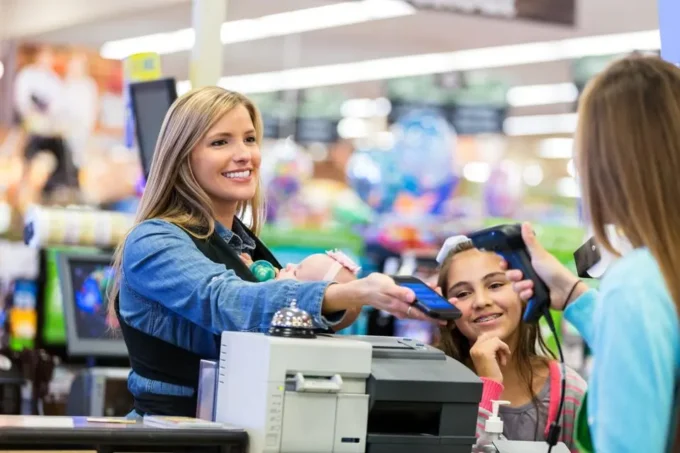
In physical stores, loyalty data connects with POS systems to adjust rewards and offers instantly. A customer purchasing running shoes, for example, might receive a coupon for related gear within seconds of payment. In e-commerce, this capability is enhanced by integrated post-purchase analytics platforms, which gather transaction feedback and predict the next buying intent.
One example is the BigCommerce post-purchase platform, which enables retailers to collect behavioral data directly after checkout. Instead of ending the interaction at the sale, brands can send personalized follow-ups, cross-sell recommendations, or invite customers into higher-value loyalty tiers. This bridge between analytics and customer experience transforms a one-time buyer into a repeat participant in the loyalty ecosystem.
Connecting Online and Offline Insights
Omnichannel loyalty depends on accurate data synchronization. When customers interact across apps, websites, and stores, analytics platforms merge those touchpoints into unified profiles. This ensures that if a customer buys in-store but browses online, both actions contribute to loyalty progression.
Data integration also improves campaign measurement. Retailers can analyze whether a mobile coupon drove in-store traffic or whether personalized push notifications increased basket value. By attributing impact to the correct channel, companies adjust marketing spend efficiently and strengthen trust through relevant communication.
Using Predictive Models for Reward Optimization
Not every customer reacts to the same type of incentive. Data models can test and learn which rewards truly drive repeat purchases. Some respond best to early access or limited editions, others to cashback or free shipping. Predictive systems simulate customer behavior across multiple reward designs and determine the most profitable loyalty structure for each cohort.
This analytical feedback loop allows continuous refinement. When data shows that a 10 percent coupon leads to minimal repeat engagement but early product access drives longer-term loyalty, retailers reallocate resources. This dynamic adaptation prevents stagnation that once plagued older loyalty programs.
AI-Powered Segmentation and Emotional Analytics
Artificial intelligence now extends beyond purchase tracking into emotional resonance. Sentiment analysis tools process reviews, social posts, and feedback forms to gauge satisfaction intensity. Retailers combine these qualitative insights with transactional data to see not only what customers buy, but how they feel about it.
A customer with positive sentiment but low spending might be a strong referral candidate. Meanwhile, a high spender showing negative sentiment could require immediate intervention. Data-driven empathy helps brands prevent churn through timely recognition and service adjustments.

Loyalty Data as a Strategic Asset
Retail loyalty programs powered by analytics provide a competitive advantage beyond marketing. They influence supply chain decisions, pricing, and product development. For example, when analytics reveal a surge in repeat purchases of a specific eco-friendly product, the data informs procurement strategy. When loyalty data shows declining interest in a category, merchandising teams adjust inventory before losses mount.
Financial forecasting also benefits. Predictive loyalty analytics estimate repeat purchase probability and recurring revenue. This helps finance teams model cash flow stability and allocate marketing budgets more accurately.
The Privacy Equation
While data enhances personalization, loyalty programs must respect consumer trust. Transparency on data use and secure collection protocols are now mandatory. Many retailers adopt opt-in frameworks and communicate the tangible benefits of data sharing, personalized offers, faster support, or exclusive access. This reciprocity strengthens the ethical foundation of loyalty while maintaining compliance with data protection laws like GDPR and CCPA.
Real Outcomes and Case Trends
Retailers applying analytics-based loyalty strategies consistently report higher retention and basket value. For instance, chains that adopted predictive retention models have seen churn reduction by up to 20 percent. E-commerce brands that integrated post-purchase feedback systems recorded 30–40 percent higher engagement in referral programs. These figures underline that loyalty now grows from analytical precision, not blanket incentives.
A strong example is how grocery and apparel chains use location and purchase data to drive local relevance. Customers receive offers aligned with store-level inventory, weather, or seasonal patterns. That micro-personalization, enabled by analytics, elevates relevance and perceived brand intelligence.

The Core Takeaway
Customer loyalty in retail no longer depends on emotional appeal alone. It is engineered through data interpretation, predictive modeling, and continuous feedback loops that personalize every interaction. The real value of analytics lies in its ability to convert routine transactions into relationships measurable by lifetime engagement rather than single purchase metrics.
Brands that excel in loyalty analytics combine behavioral insight with post-purchase engagement, omnichannel integration, and transparent data ethics. Those that treat loyalty as a living, adaptive data system rather than a static marketing campaign build resilience in saturated markets. The future of customer retention belongs to retailers who understand that every byte of data carries the potential to turn satisfaction into long-term allegiance.