

Live events are difficult to monetize well. They are unpredictable, time-sensitive, and unforgiving when something goes wrong. Attention arrives in waves, disappears suddenly, and often peaks at moments no one can fully control. Many industries struggle with this. Sports betting platforms do not have the luxury of struggling. They either work under pressure or they lose relevance immediately.
That pressure has quietly shaped some of the most practical monetization models built around live events today. Looking at sportbet platforms, including Betway, offers useful lessons that extend far beyond betting. These platforms are not interesting because of what they sell, but because of how their tech is built to extract value from moments that are fleeting, crowded, and constantly changing.
Monetization Built Around Moments, Not Sessions

Most digital businesses still think in sessions. Someone arrives, spends time, then leaves. Live sportsbet platforms like Betway, think in moments; A goal, a foul, a timeout, and a shift in momentum. Each moment creates a narrow window where attention sharpens, and decisions happen quickly.
This is an important distinction. Monetization does not rely on keeping users engaged for as long as possible. It comes down to being ready at the exact moment attention spikes. A lot of industries built around live moments, like live commerce, streaming, ticketing, or financial news, still get this wrong by worrying too much about how long people stay instead of when they actually care.
Sports betting platforms monetize intensity, not length. That shift in thinking is something many event-driven businesses could learn from.
Tech Designed for Unpredictable Demand
Live events create uneven demand. Traffic spikes suddenly and drops just as fast. Betting platforms are built with this reality baked into their tech. Systems are designed to scale up instantly, absorb pressure, and then scale back down without breaking behavior.
This is not just a technical challenge. It is a revenue decision. If a platform slows down or behaves unpredictably during peak moments, users do not wait. They leave. That makes stability under pressure directly tied to income.
Other industries running live events often design for average usage and hope their systems hold up during peaks. Sports betting platforms assume the peak is the point. Everything else is secondary.
Speed Balanced With Control

Speed matters in live environments, but uncontrolled speed is expensive. Sports betting platforms learned early that pushing information too fast can be as damaging as being slow. Incorrect updates, out-of-order data, or unclear states destroy trust quickly.
The tech behind Sportbet platforms prioritizes controlled speed. Updates are fast, but only when they can be trusted. Actions are accepted only when conditions are clear. Pauses are introduced deliberately when uncertainty rises.
This balance is valuable beyond betting. Any industry monetizing live events, whether live auctions, flash sales, or real-time marketplaces, faces the same trade-off. Speed attracts users. Control keeps them.
Monetizing Short Attention Windows
One of the most transferable lessons from sports betting platforms is how they monetize very short attention windows. A user may only be fully focused for seconds at a time. The platform’s tech has to recognize those windows and make them usable immediately.
There is no onboarding during a live moment. No explanations. No second chances. The interface, pricing, and system behavior all have to align instantly.
Industries that rely on live engagement often lose revenue because their systems assume patience. Sports betting platforms assume impatience and design around it.
Reliability as a Revenue Strategy

Reliability is not framed as a nice-to-have in betting platforms. It is a revenue strategy. Users return not because platforms surprise them, but because they behave the same way every time under pressure.
That consistency reduces mental effort. It makes repeat behavior easier. Over time, it increases lifetime value without needing aggressive tactics. Betway, for example, operates in an environment where trust is built through behavior rather than messaging. The platform’s tech has to perform predictably during the most stressful moments, or it loses users permanently.
Other industries often underestimate how closely reliability and revenue are linked in live environments.
Designing for Peaks, Not Promotions
Sports betting platforms do not rely on promotions to monetize live events effectively. They rely on readiness. When a big match happens, the platform must already be capable of handling volume, clarity, and transactions without adjustment.
This is a key difference from many event-based businesses that lean heavily on marketing to drive revenue during live moments. Betting platforms know that no campaign can save a system that fails at kickoff.
The tech investment goes into infrastructure, validation, and flow rather than surface-level incentives. That long-term thinking protects revenue when it matters most.
Event-Driven Architecture as a Business Model
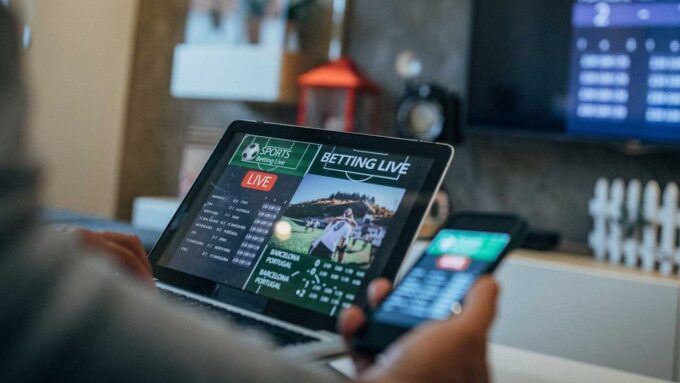
At a deeper level, sports betting platforms are built around event-driven tech. Systems react to changes rather than user navigation. Markets open and close based on real-world triggers. Pricing adjusts dynamically. Access is managed in real time.
This architecture is expensive to build but efficient to run at scale. It allows monetization to follow reality rather than forcing reality into rigid workflows. Other industries that deal with live data streams could benefit from adopting similar patterns, even if the end product looks very different.
Trust Compounds Over Time
Perhaps the most overlooked lesson is how trust compounds. In sportbet environments, users learn whether a platform behaves fairly and consistently across hundreds of small moments. That accumulated experience drives long-term revenue more than any single feature.
Once trust is established, users act faster. They hesitate less. They return more often. The tech does less convincing and more supporting.
This applies to any industry monetizing live events. Trust is not built in headlines or campaigns. It is built in how systems behave when things get messy.
Beyond Betting
The point is not that other industries should copy sports betting platforms directly. The lesson is that these platforms have been forced by necessity to solve problems that many others are only beginning to face.
Live events are chaotic. Attention is fragmented. Demand is uneven. Monetization windows are short. Sports betting platforms survived by aligning their tech, systems, and business logic around those realities.
As more industries lean into live, real-time experiences, the lessons baked into sportbet platforms are becoming harder to overlook. The businesses that pay attention will be in a much better position to turn short, high-pressure moments into steady revenue, without burning through trust along the way.