

The sale is never the finish line in e-commerce. It’s the first step in a chain of events that determines whether a customer will return, recommend the brand, or quietly disappear.
Post-purchase experience has become one of the most decisive factors in financial performance for online retailers, shaping everything from retention rates to cash flow stability. When handled right, it creates loyalty loops that quietly compound profit over time.
Why Post-Purchase Experience Is the Core of Sustainable E-Commerce Growth

Retailers often obsess over conversion rates and acquisition costs, yet what happens after checkout holds more power over long-term profitability. Once a transaction is complete, the customer’s expectations shift from excitement to evaluation.
Every interaction that follows, the shipping updates, packaging quality, delivery timing, and support responsiveness, becomes a brand-defining moment.
When customers feel cared for after the sale, they not only spend more but also trust more. That trust translates into repeat orders, positive reviews, and lower churn. A strong post-purchase framework essentially acts as a multiplier on all prior marketing investments.
Note that a well-built post purchase experience platform helps retailers automate updates, simplify returns, and maintain consistent communication long after checkout.
The Financial Link Between Experience and Profit
Post-purchase interactions directly affect several key financial levers:
| Metric | Impact of Post-Purchase Experience |
| Customer Lifetime Value (CLV) | Increases through repeat purchases and reduced churn |
| Return Rates | Decrease when expectations are clearly managed post-sale |
| Acquisition Cost Recovery | Improves as retained customers reduce dependency on ads |
| Cash Flow Predictability | Stabilized through recurring, satisfied customers |
| Word-of-Mouth ROI | Grows with positive customer advocacy |
In short, great post-purchase systems turn one-time revenue into recurring, predictable income.
Step One: Seamless Order Fulfillment and Realistic Communication
A customer’s confidence peaks at checkout and drops the moment they start waiting. Silence between order confirmation and delivery is one of the most dangerous gaps in the online buying process. The longer a customer wonders what’s happening, the higher the chance of frustration or cancellation.
Proactive communication fixes that. Order tracking pages, estimated delivery times, and timely status emails all serve as reassurance. The point isn’t to over-communicate but to remove uncertainty. Even a short message saying “your order is being prepared” can build trust.
Overpromising on Delivery

One of the biggest threats to profitability hides in overly optimistic delivery promises. When a store promises two-day shipping and delivers in five, that breach of expectation costs more than refund requests.
It corrodes trust, raises support tickets, and often turns into negative reviews. The correction is simple but often overlooked: underpromise and overdeliver.
Retailers that provide accurate timelines – and meet them – see tangible financial returns through reduced refunds, lower customer service costs, and better review scores.
Packaging as a Profit Tool, Not a Cost Center
Too many brands see packaging as a sunk cost. In reality, it’s one of the easiest levers to influence emotional connection. Customers may forget a marketing email, but they remember how their order looked and felt when it arrived. The unboxing experience is the physical handshake of a digital business.
Even small improvements, such as branded tape, a thank-you card, or recyclable materials, communicate care. It signals that the company values the relationship enough to invest in presentation. In financial terms, a positive packaging experience boosts brand recall and lowers acquisition costs over time.
When Sustainability Adds Real Financial Value

Eco-friendly packaging isn’t just a moral choice. It has measurable business value. Consumers are increasingly drawn to brands that minimize waste, and they’re willing to pay slightly more for it. Recyclable packaging reduces environmental guilt, which translates into repeat buying behavior.
A quick example: a cosmetics retailer switched to biodegradable mailers and saw a 12 percent increase in repeat purchases within six months. The switch was initially more expensive but ultimately improved margins by building customer trust and long-term loyalty.
Customer Support
Support teams are often treated as cost centers, but in the post-purchase phase, they’re sales enablers in disguise. A well-trained support representative can turn frustration into gratitude and refunds into exchanges.
When a customer feels listened to, they stay. When they feel ignored, they leave, and often loudly. Financially, it’s cheaper to maintain a support team that resolves issues efficiently than to acquire new customers to replace unhappy ones.
Building a Support System That Pays for Itself
The profitability of support depends on three elements:
- Accessibility: Customers should find help easily, without digging through menus.
- Response Time: The faster the reply, the lower the chance of negative escalation.
- Empowerment: Agents should have the authority to make decisions without endless approvals.
Brands that empower support teams to resolve issues quickly often see measurable improvements in repeat sales. That’s because the emotional memory of being treated fairly stays longer than the problem itself.
Returns and Refunds
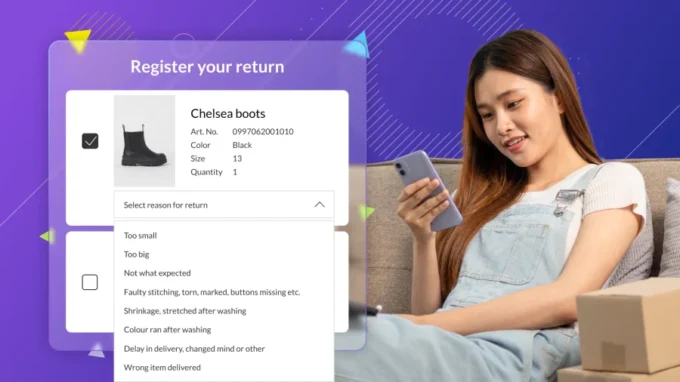
Returns are inevitable in e-commerce. What separates profitable retailers from struggling ones isn’t how often returns happen, but how they’re handled.
Complicated return policies are silent conversion killers. Customers who sense difficulty getting a refund often hesitate to buy in the first place.
Streamlining the Process
An easy, transparent return system builds credibility and reduces friction. The process should include:
- A clear return window and condition requirements
- Prepaid return labels or drop-off points
- Automated updates on refund progress
The smoother the process, the more likely customers will return for another purchase. In other words, leniency isn’t a cost—it’s an investment in repeat revenue.
Reverse Logistics as a Growth Lever
Forward logistics get most of the attention, but reverse logistics, handling returns efficiently, directly impact profitability. Fast restocking and refurbishing of returned items minimize inventory loss and reduce operational waste.
Businesses that integrate return automation into their systems can even resell returned goods faster, improving turnover rates.
Post-Purchase Engagement

The sale may be done, but the conversation should continue. Brands that maintain contact with customers after delivery stay top of mind when the next purchase decision arrives. The key is relevance, not frequency.
Personalized Follow-Ups
Instead of generic newsletters, brands can send personalized messages that relate to the customer’s purchase. For example, a buyer who orders running shoes might receive an email about performance socks or training tips. Relevance builds credibility and encourages additional purchases.
Loyalty Programs That Actually Work
Most loyalty programs fail because they’re transactional. Customers don’t want to collect meaningless points; they want real value. Discounts on future orders, early access to products, or small surprise gifts work better than elaborate points systems.
Financially, well-designed loyalty programs reduce dependence on paid advertising. The longer customers stay engaged, the lower the acquisition cost per sale.
Technology That Powers Better Post-Purchase Performance
Behind every smooth post-purchase experience is technology quietly holding it together. Automation, analytics, and integration tools give e-commerce businesses the precision needed to scale without losing human touch.
Automation and Predictive Support
Automation shouldn’t replace empathy, but it can handle repetitive tasks that drain resources. Examples include:
- Automatic tracking updates
- Real-time delivery notifications
- AI-driven chatbots for simple queries
- Predictive alerts for delayed shipments
When automation handles the basics, human teams can focus on high-value interactions that genuinely affect customer satisfaction.
Using Data for Long-Term Financial Insight
Post-purchase analytics reveal patterns that often go unnoticed. For example, identifying which customer segments request the most returns or which delivery regions generate the most support tickets helps fine-tune logistics. Over time, this reduces costs and improves margin predictability.
The most profitable e-commerce companies treat post-purchase data as a goldmine for financial planning, not an afterthought.
Building Post-Purchase Consistency Across Channels

Consistency across all customer touchpoints is a hidden source of profitability. Whether a customer buys through the website, mobile app, or marketplace, their post-purchase experience should feel seamless.
- Unified communication: Every platform should reflect the same tone and timing.
- Integrated data systems: A single customer profile across channels avoids duplicated messages.
- Standardized service protocols: Guarantees the same quality of support everywhere.
Brands that maintain uniform post-purchase experiences reduce confusion and build a sense of dependability, which directly strengthens retention.
Turning Post-Purchase Strength into Competitive Advantage
In saturated markets, differentiation rarely comes from the product alone. Competitors can copy prices and features, but not the way a company treats its customers after purchase. Over time, reputation for care becomes a moat that drives organic growth.
The financial compounding effect is simple:
- Positive experience builds trust
- Trust increases retention
- Retention lowers acquisition costs
- Lower costs raise profit margins
When viewed from a long-term perspective, post-purchase care isn’t customer service—it’s financial strategy.
The Hidden Growth Engine
E-commerce profitability doesn’t end with checkout. It grows in the quiet moments after the sale: when the customer opens the box, gets a fast reply to a question, or receives a small thank-you message that feels sincere.
Those small details accumulate into measurable financial outcomes, higher margins, stronger cash flow, and more predictable growth.
The businesses that thrive are the ones that see post-purchase experience not as an expense, but as the engine room of their entire operation. Every interaction after checkout either strengthens or weakens the brand’s financial foundation. The smart ones make sure it always strengthens it.