

Running a business often demands financial flexibility, especially in the early stages when access to capital is essential. Many entrepreneurs rely on personal credit to secure loans, credit cards, or vendor accounts, which can blur the line between business and personal finances. However, failing to manage this properly can result in long-term financial strain and reduced borrowing capacity. Knowing how to protect your personal credit while expanding your company is crucial for sustainable growth.
Understanding strategies like using a credit inquiry removal letter can make a meaningful difference in maintaining a strong profile.
The Overlap Between Business and Personal Credit
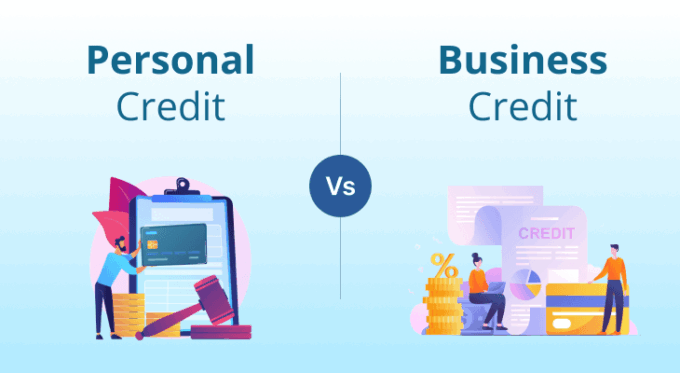
For many small business owners, personal credit serves as the gateway to opportunity. Lenders frequently assess the owner’s personal credit history before approving business loans, notably when the business lacks an established credit record. This creates a risky overlap; every inquiry, late payment, or increase in debt utilization can affect both your personal and business financial standing.
As your company grows, relying on personal credit can strain your score due to the higher usage of available credit limits. When you consistently use personal accounts to fund operations, your credit utilization ratio increases, signaling higher risk to lenders. Over time, this can negatively impact your credit score and increase the cost of future financing. Separating business and personal credit as early as possible becomes a strategic move, not just a financial preference.
Establishing a Distinct Financial Identity
One of the first steps in safeguarding your personal credit is to create a clear boundary between personal and business finances. Setting up a business entity—such as an LLC or corporation—creates legal separation and allows you to apply for business credit under the company’s name. Opening a business checking account, acquiring a business credit card, and registering with credit bureaus like Dun & Bradstreet help build a separate credit profile over time.
When you begin applying for business credit, lenders will gradually shift focus from your personal score to your business creditworthiness. This transition takes consistency, but it allows you to reduce personal liability and limit exposure to credit score fluctuations. Using business accounts for all company-related purchases and ensuring timely payments will reinforce this separation and enhance your credibility with lenders and suppliers alike.
Managing Credit Inquiries Wisely
A common oversight among business owners is the accumulation of credit inquiries. Each time you apply for a new credit card, loan, or line of credit, it triggers a hard inquiry on your personal report. Multiple inquiries in a short time can lower your score and make you appear financially overextended. This issue is especially relevant during the growth phase, when entrepreneurs often seek funding from multiple sources simultaneously.
The key is to be selective with your applications. Research lenders in advance to determine approval odds and choose only those that align with your qualifications. If you notice unauthorized or outdated inquiries on your report, you can dispute them using a credit inquiry removal letter. This formal request, often sent to credit bureaus, helps eliminate inquiries that you did not authorize or that are no longer valid, which can subtly improve your score and credibility.
Using Credit Strategically During Growth
When scaling your business, credit should be viewed as a tool, not a crutch. Strategic borrowing can accelerate growth without compromising financial health, but it requires discipline and careful management. Maintaining low credit utilization, paying bills on time, and regularly monitoring your reports are essential practices. Avoid maxing out personal credit cards for business expenses, as high balances can harm your personal score even if your business is thriving.
Instead, explore financing options designed for businesses, such as lines of credit, invoice factoring, or equipment loans, that rely more on your company’s performance than your personal credit. These forms of funding not only preserve your personal financial integrity but also help establish a positive business credit record. Over time, this dual-track approach strengthens your overall financial stability.
Monitoring and Maintaining Credit Health
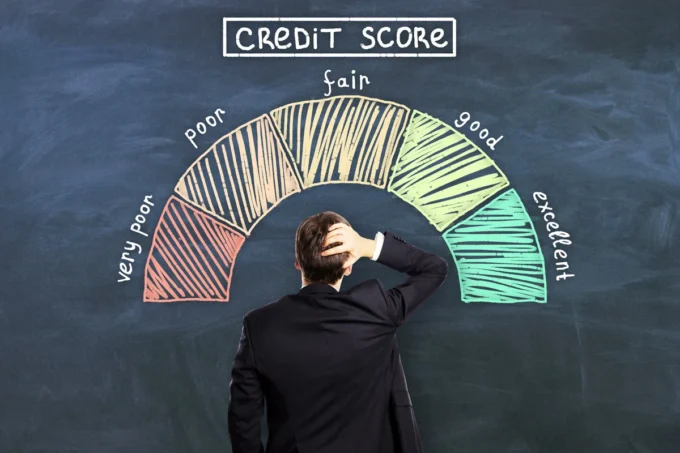
Monitoring both personal and business credit reports should become a regular habit. Review them every few months to catch errors, outdated inquiries, or fraudulent activity before they cause harm. Many entrepreneurs discover credit issues too late, often after being denied funding or encountering unfavorable loan terms. Proactive management ensures you stay informed and ready to act quickly.
Credit monitoring services can provide alerts for changes, new inquiries, or significant increases in your balance. Pair these tools with a mindset of financial responsibility, regularly revisiting your debt levels, payment schedules, and spending patterns. As your business grows, so does your financial exposure, making it vital to stay one step ahead of potential risks.
Building a Financial Safety Net
A strong financial foundation acts as a buffer against credit stress. Maintain emergency reserves that can cover several months of personal and business expenses. This cushion reduces the need to rely on high-interest personal credit during periods of cash flow shortage. It also demonstrates to lenders that you have responsible financial management habits, reinforcing trust and improving financing opportunities in the future.
In addition, consider consulting a financial advisor who understands both personal and business finance. They can help you optimize debt structures, minimize interest exposure, and plan for sustainable growth that protects your personal financial standing.
Conclusion

Scaling a business is an exciting journey, but it comes with financial challenges that demand strategic foresight. Protecting your personal credit while expanding your company isn’t just about keeping a good score—it’s about preserving your long-term financial freedom and credibility.
By separating your business and personal finances, managing credit inquiries through tools like a credit inquiry removal letter, and using borrowing strategically, you create a foundation that supports growth without risking personal stability. As your business flourishes, maintaining this discipline ensures you can access the funding you need whenever opportunity knocks.